


[Customer quote placeholder. 2 to 3 sentences from a billing director or operations leader at a municipal utility, MSO, or property management company. Focus on time saved per cycle or exception backlog reduction.]

Most platforms force billing specialists to click through screens of meter reading warnings, generate re-read reports by hand, and coordinate field work over paper and spreadsheets. MultiBilling rebuilds meter reading review as an AI-enabled workflow that triages warnings automatically, coordinates prioritized field re-reads on optimized routes, and validates corrections digitally before the cycle is authorized. The meter-to-bill cycle close compresses from three to five days to one. Meter reading and field operations teams reclaim more than half of their monthly labor for higher-value work.
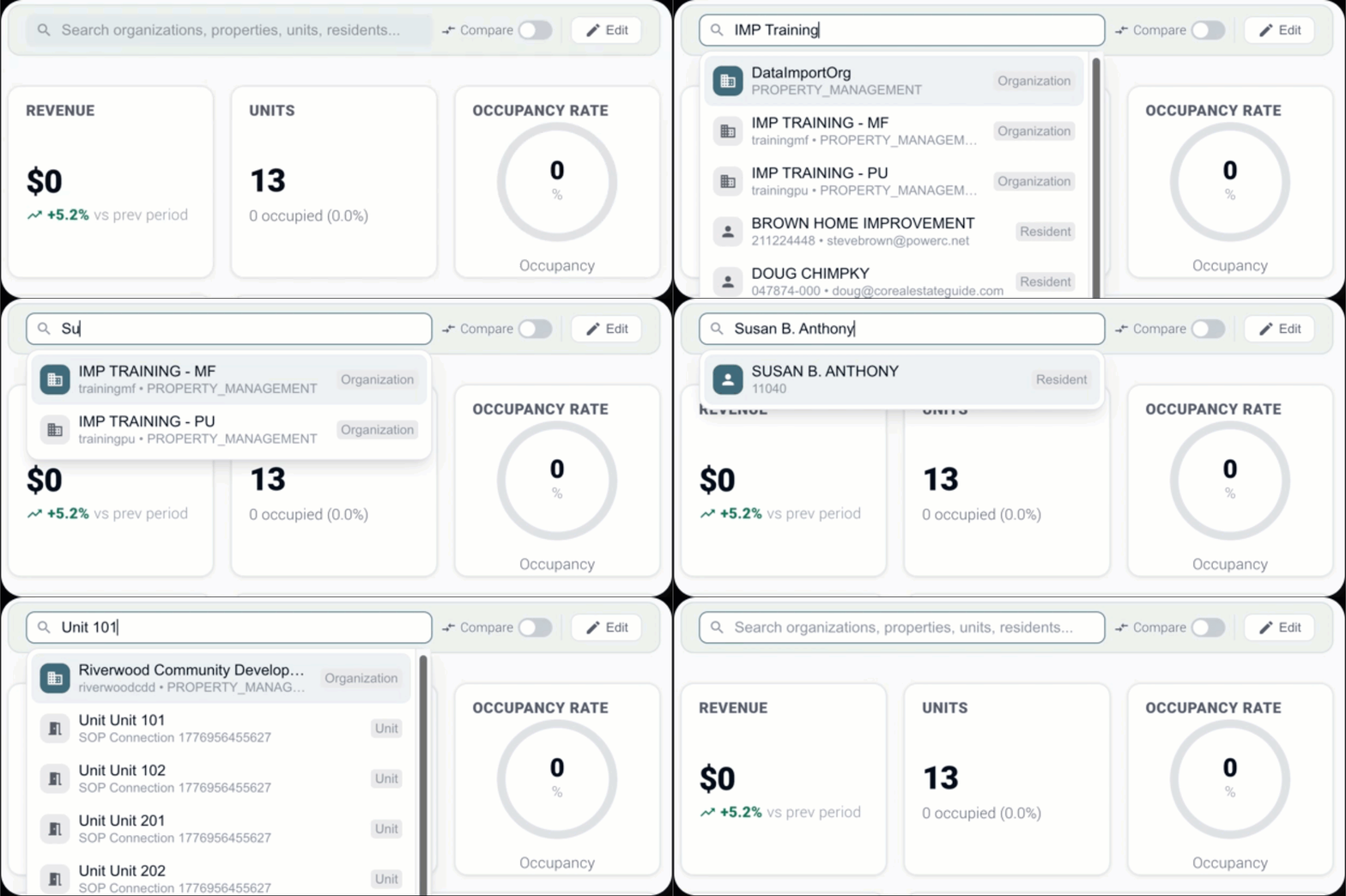
The warning triage agent resolves common issues like No-Match-Meter, Missing End Date, Days Under Threshold, Invalid Dates, and Duplicate Meters automatically by applying rules, meter master lookups, customer master lookups, and billing cycle logic. Billing specialists stop clicking through every flag by hand. Mechanical data handling gives way to exception review and quality assurance. The warning screens that used to take hours of repetitive work resolve to a short list of items that genuinely need human judgment.
Re-read assignments arrive grouped by geography and sequenced for minimum travel time. The Discrepancy Coordinator Agent generates the prioritized field re-read list using exception signals, variance flags, geographic grouping, and route-aware sequencing. The technicians chasing exceptions spend less time driving and more time clearing the list. Field re-read time can compress from roughly fifteen minutes per re-read to ten. Mobile re-read capture supports OCR fallback, geotagging, and plausibility validation, improving reading accuracy at the source.
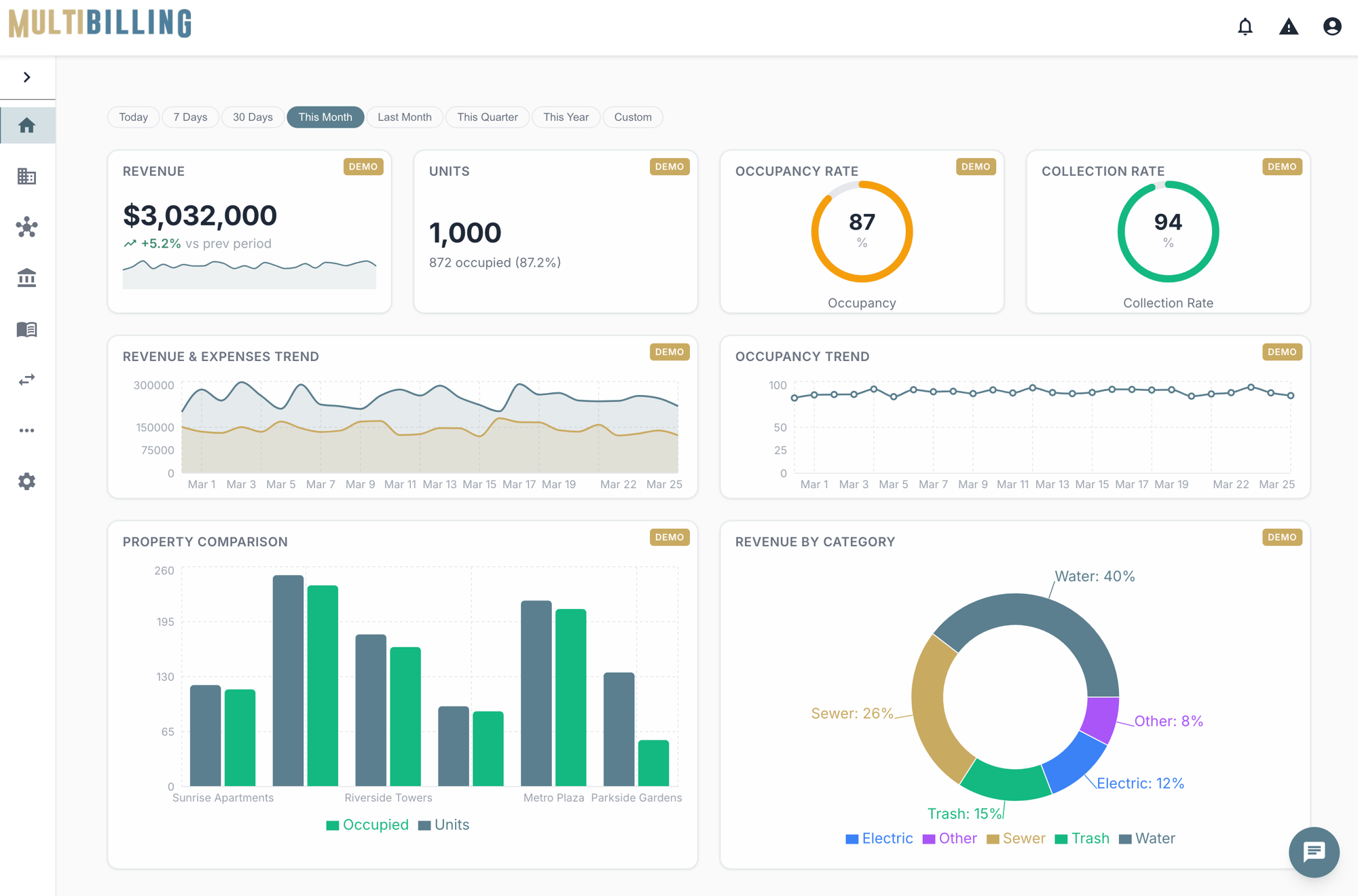
The meter-to-bill close window compresses from three to five days to one. Warnings clear via AI triage, re-reads complete on optimized routes, corrections apply digitally, and the Audit Report Agent produces a cycle-ready report showing warnings resolved, re-reads completed, corrections applied, and anomalies flagged. Managers walk into final authorization with the evidence already assembled, focused on governance review instead of operator-style rechecking. Manager review time can compress from forty-five minutes per cycle to fifteen.
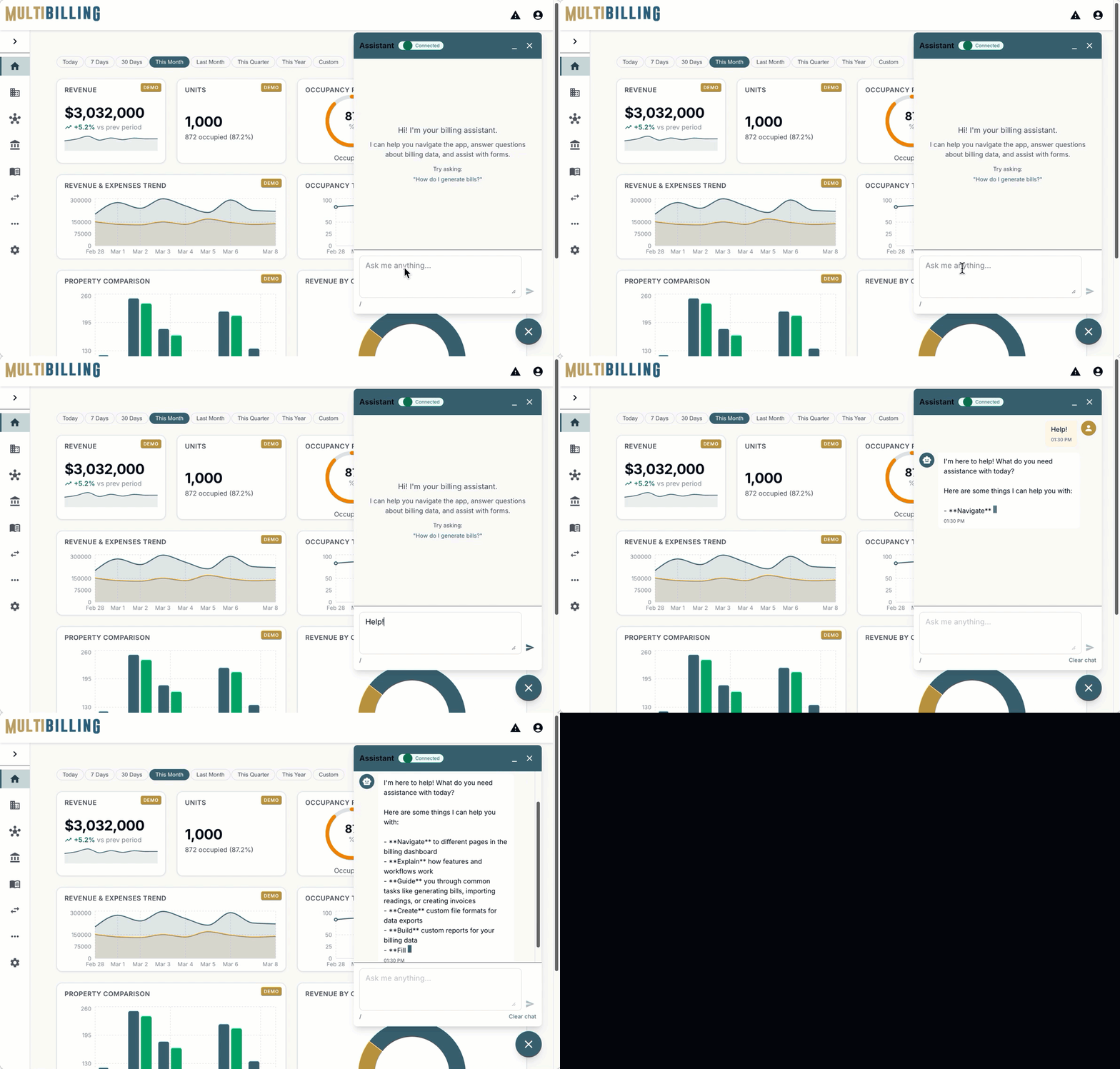
Step 01
Conventional meter reading review forces billing specialists to click through warning screens one at a time, type re-read lists into spreadsheets, hand printed lists to field crews, and re-enter the returned readings after the technicians get back to the office. The cycle stretches three to five days. Manager review repeats the same work the specialist already did. MultiBilling rebuilds meter reading review as an AI-enabled workflow. Warnings triage automatically. Field re-reads coordinate digitally on optimized routes. Corrections validate digitally. The cycle closes in one day. Before, the meter-to-bill cycle was a multi-day manual gauntlet. After, it is a coordinated, observable, AI-augmented workflow.
Step 02
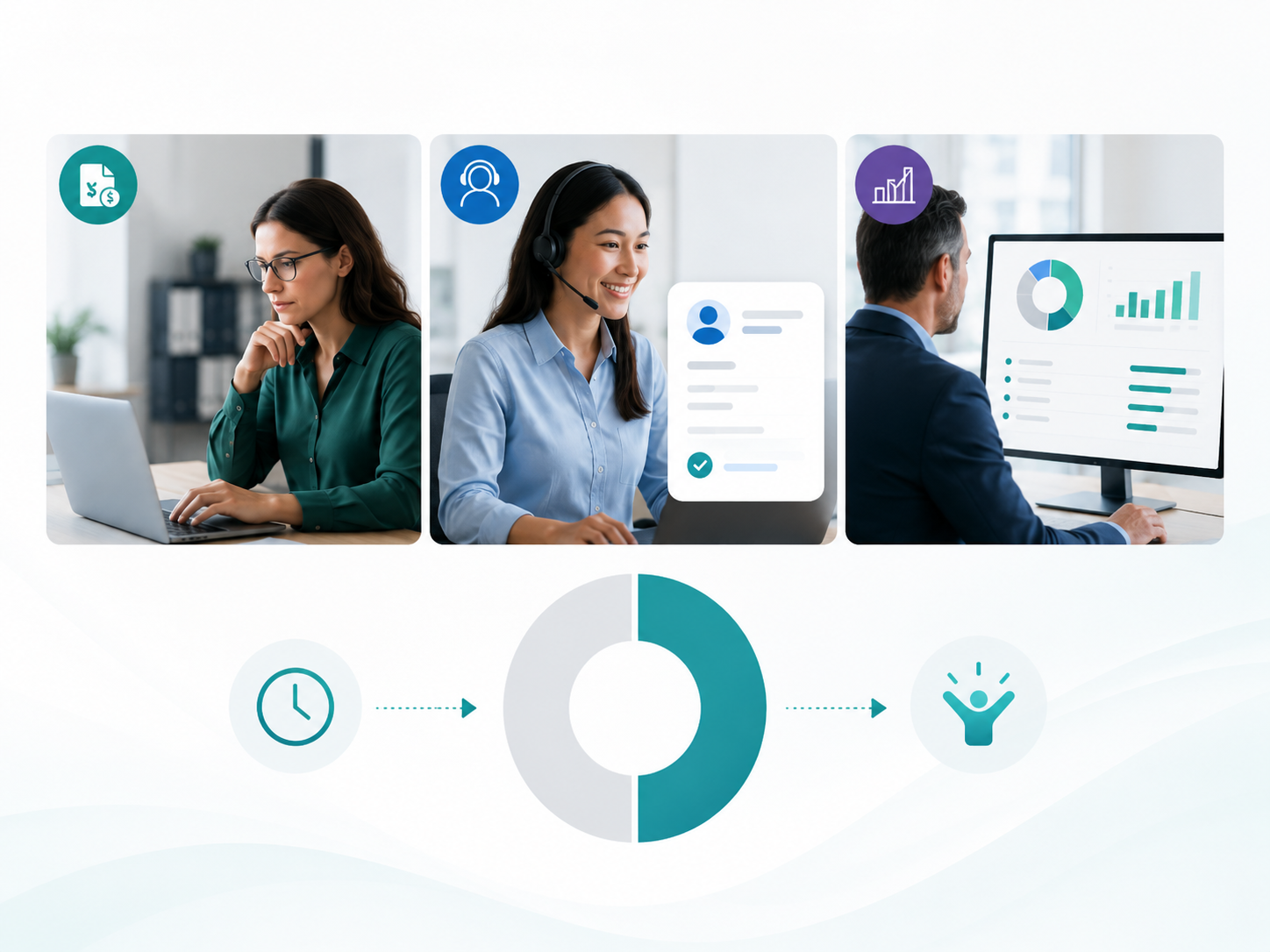
Billing specialists stop clicking through warning lists and start handling the genuine exceptions. Field technicians follow optimized routes and capture readings with mobile validation. Managers shift from operator-style rechecking to governance review of audit evidence. The cycle-close window shrinks dramatically. Customer impact drops because exceptions resolve before bills generate. For a baseline 10,000-meter utility, future-state workflow estimates suggest reducing annual meter-reading labor cost from approximately 44,000 dollars to 23,000 dollars, reclaiming roughly 495 hours per year. Across meter reading and field operations, staff reclaim more than half of the monthly labor for higher-value work.
Step 03
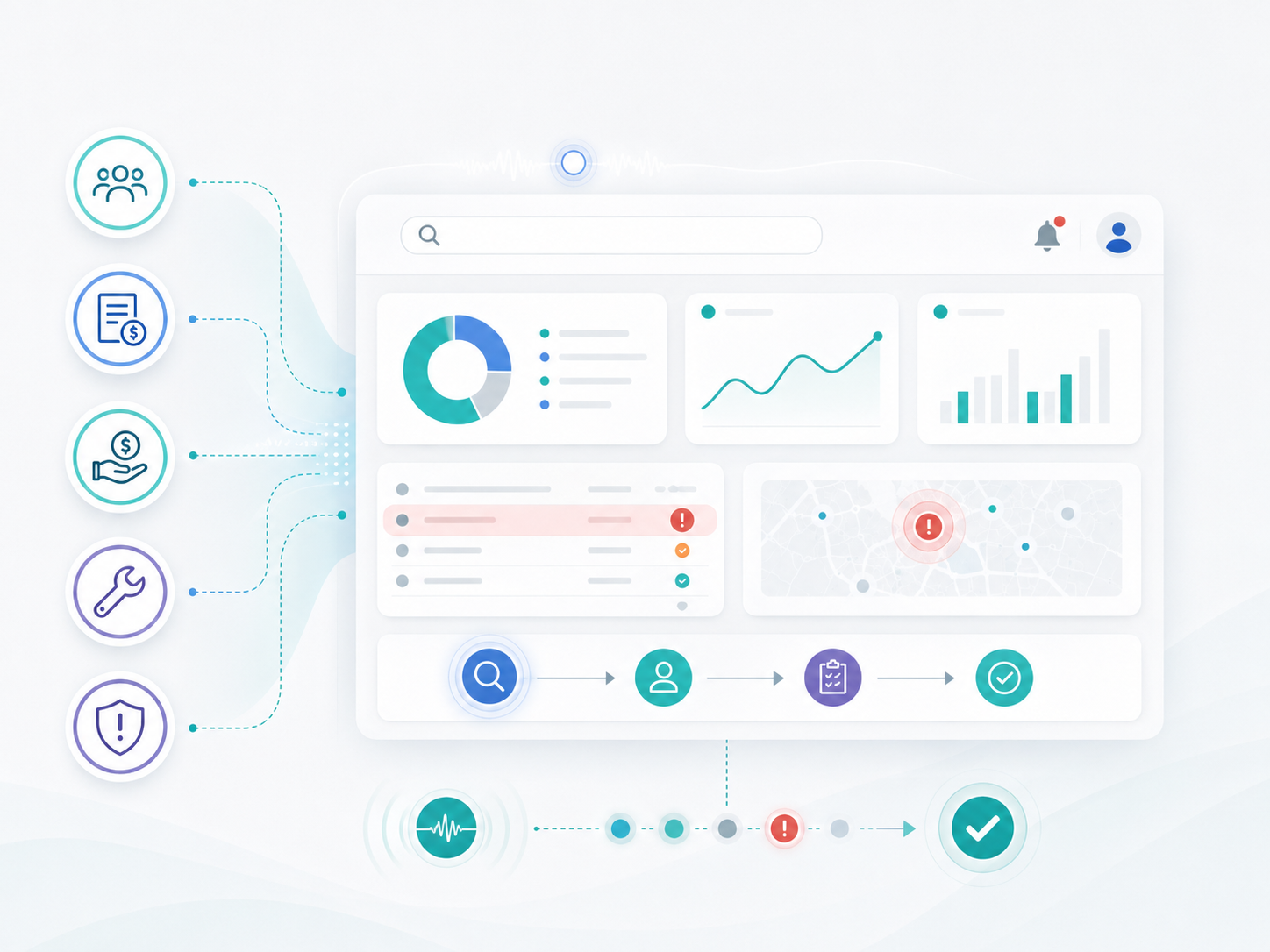
Meter Reading connects to CIS for customer and location context, to billing for cycle preparation, to mobile field service for re-read execution, to reporting for cycle KPIs, and to the AI Assistant for in-flow guidance. The warning triage agent, the discrepancy coordinator agent, and the audit report agent each handle a specific slice of the workflow with clear human-and-agent accountability. AI handles triage, coordination, report generation, correction support, and audit reporting. Humans retain responsibility for physical field verification, sample audit, and final bill authorization. The meter-to-bill cycle becomes an intelligent, monitored, AI-ready operation.
[Customer quote placeholder. 2 to 3 sentences from a billing director or operations leader at a municipal utility, MSO, or property management company. Focus on time saved per cycle or exception backlog reduction.]
Trusted by Utility & Property Operations Teams


Send us your last cycle’s warning list and re-read report, and we will show you what the same cycle looks like inside MultiBilling. You will see AI triage resolve the bulk of the warnings, optimized routing for the remaining re-reads, and the audit evidence assembled for cycle close. The day your cycle closes in one day is the day your meter-to-bill labor reclaim starts.
Schedule a demo to explore the platform in detail and see how MultiBilling fits your operations and take the next step toward implementation and purchase.
.png?width=1448&height=1086&name=Futuristic%20Screenshot%20of%20MultiBilling%20(1).png)