


[Customer quote placeholder. 2 to 3 sentences from a billing director or operations leader at a municipal utility, MSO, or property management company. Focus on time saved per cycle or exception backlog reduction.]

Most platforms publish a library of static reports users hunt through after the fact. MultiBilling rebuilds reporting as a performance management engine that organizes every report and KPI by operational domain, displays the right indicators inside the workflows where decisions happen, and evolves from manual review to AI-augmented anomaly detection, prediction, and prescription. Teams stop reviewing the past and start managing the present. Billing risk, payment exposure, and operational exceptions surface before they compound. Analytics and operations teams reclaim more than half of their monthly labor for higher-value, actionable work.
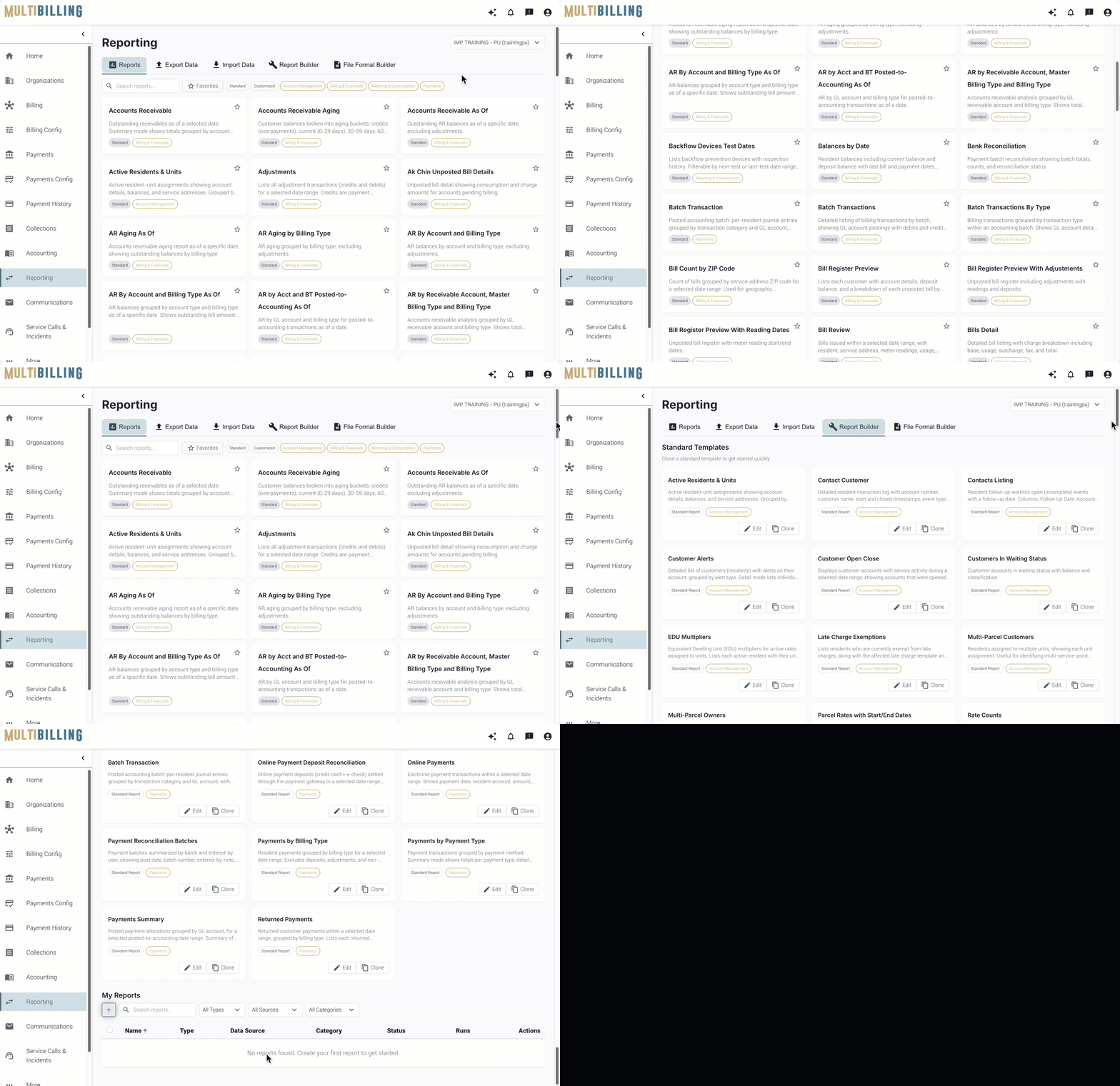
Reports and KPIs are organized by operational domain rather than dumped into a generic library. The reporting layer becomes an engine for managing performance instead of reviewing it after the fact. Billing, accounting, payments, collections, customer management, service requests, incidents, meter management, and entity oversight each get their own theme-based clusters. Users find the right report in the right operational context, with the right KPIs already attached. Theme-based clusters help teams understand which reports matter, which indicators apply, and how each insight supports the next decision.
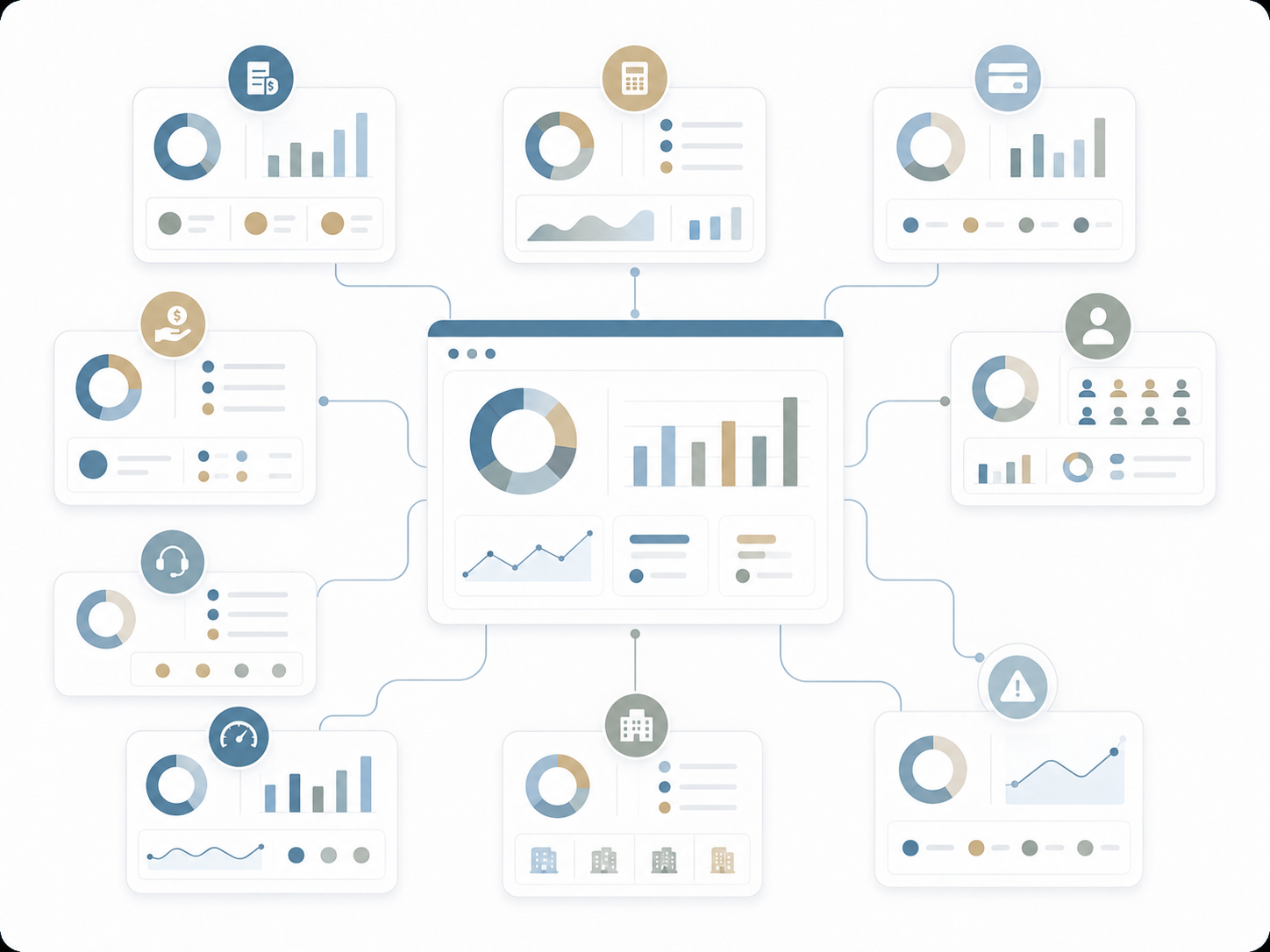
Performance indicators show up inside the workflows where they matter. Billing teams see cycle KPIs inside the billing dashboard. Payment teams see exposure indicators inside the payments view. Collections teams see delinquency risk inside the collections workflow. Customer service teams see service backlog indicators where they handle calls. Instead of opening a separate analytics tool, users act on signals in context. The reporting tier and the operational tier merge into one decision surface.
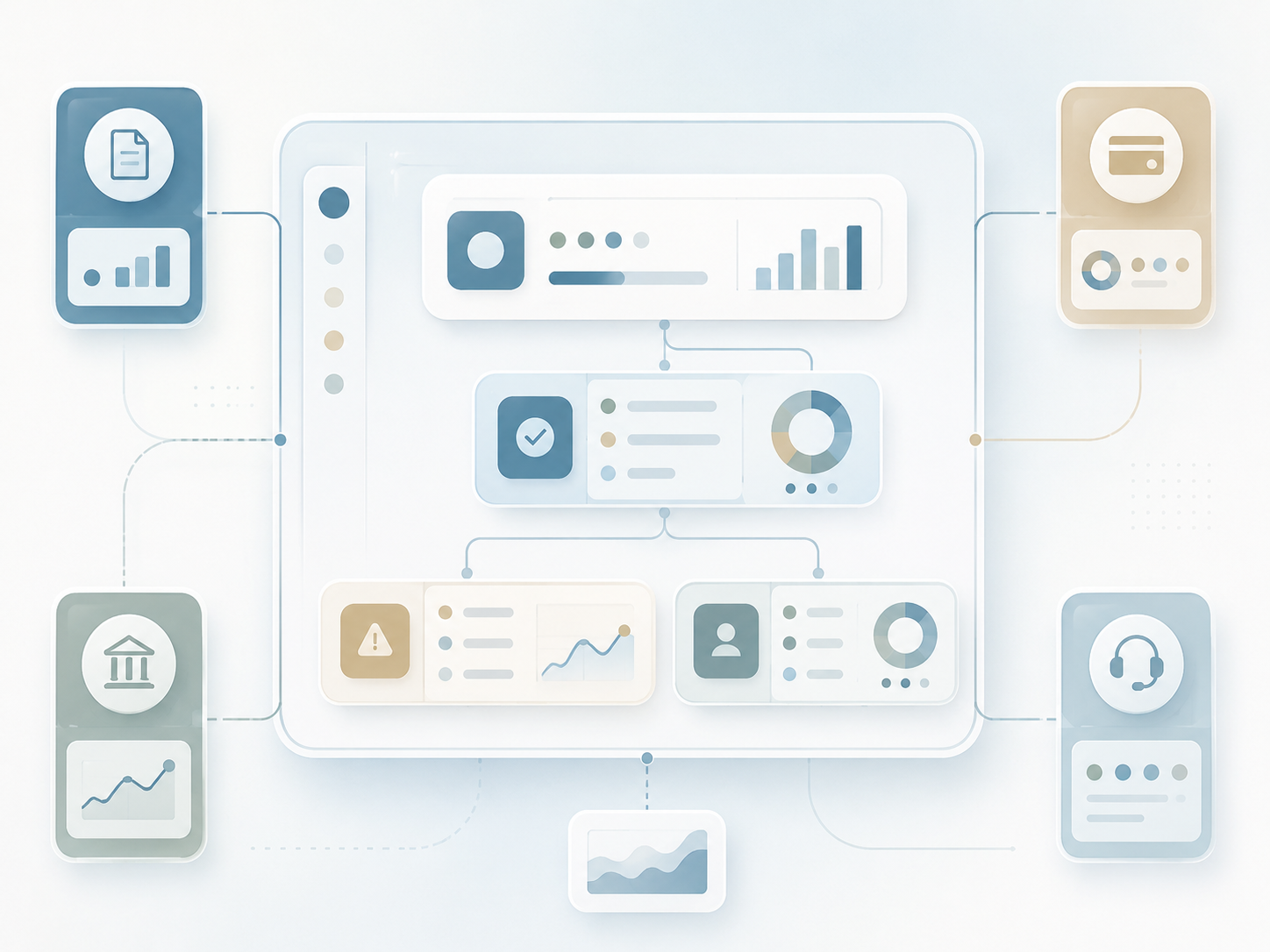
The reporting model is the foundation for AI agents that surface anomalies, predict risks, and recommend actions. Manual slice-and-dice gives way to anomaly detection that arrives before the problem does. The AI Assistant interprets KPIs, explains performance shifts, and suggests next-best actions inside the same screens. Parameterized reporting, Boolean filters, Group By, Order By, and multi-format export support the analyst day-to-day; AI augmentation handles the patterns analysts would otherwise spend weeks finding.
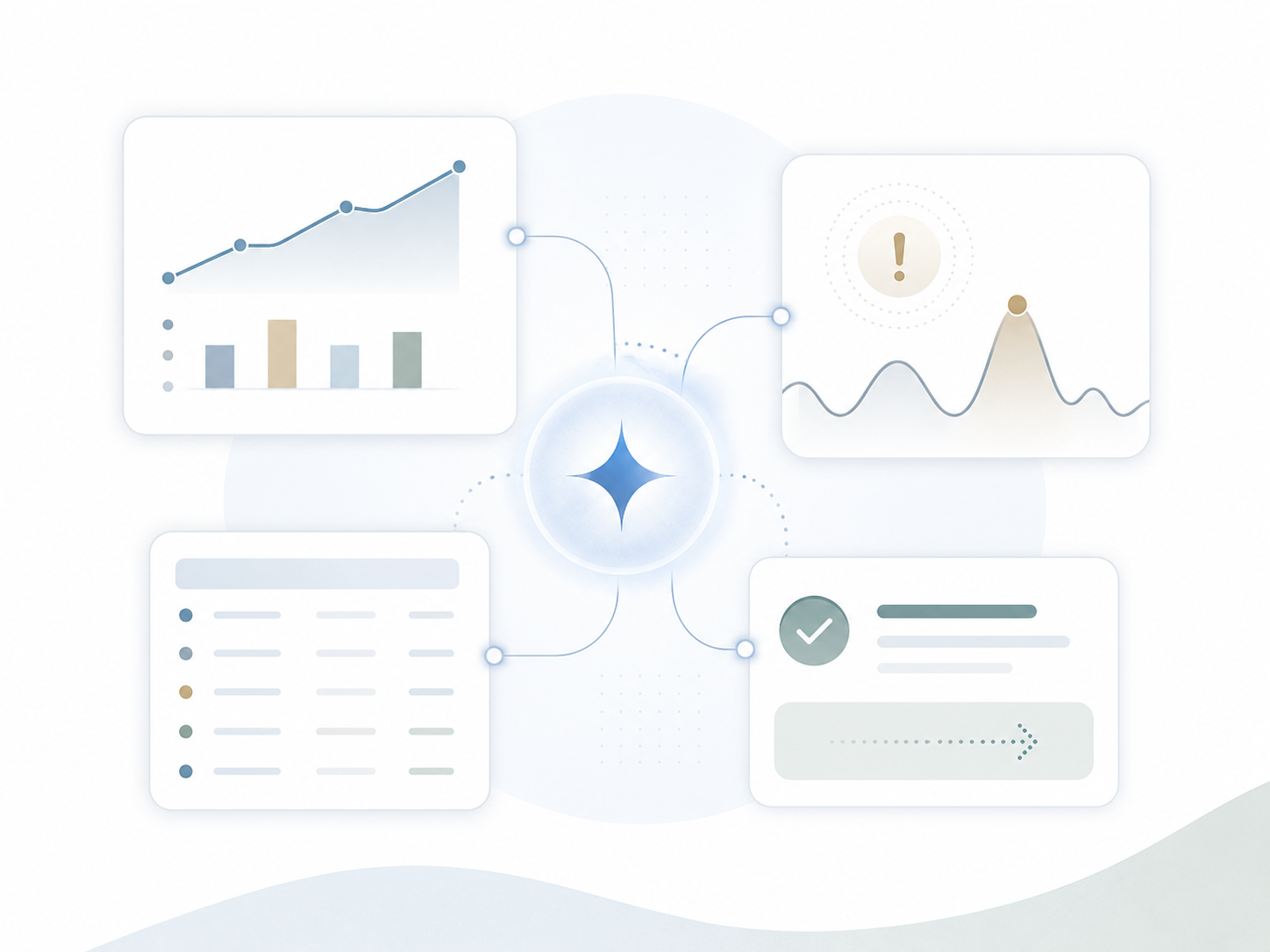
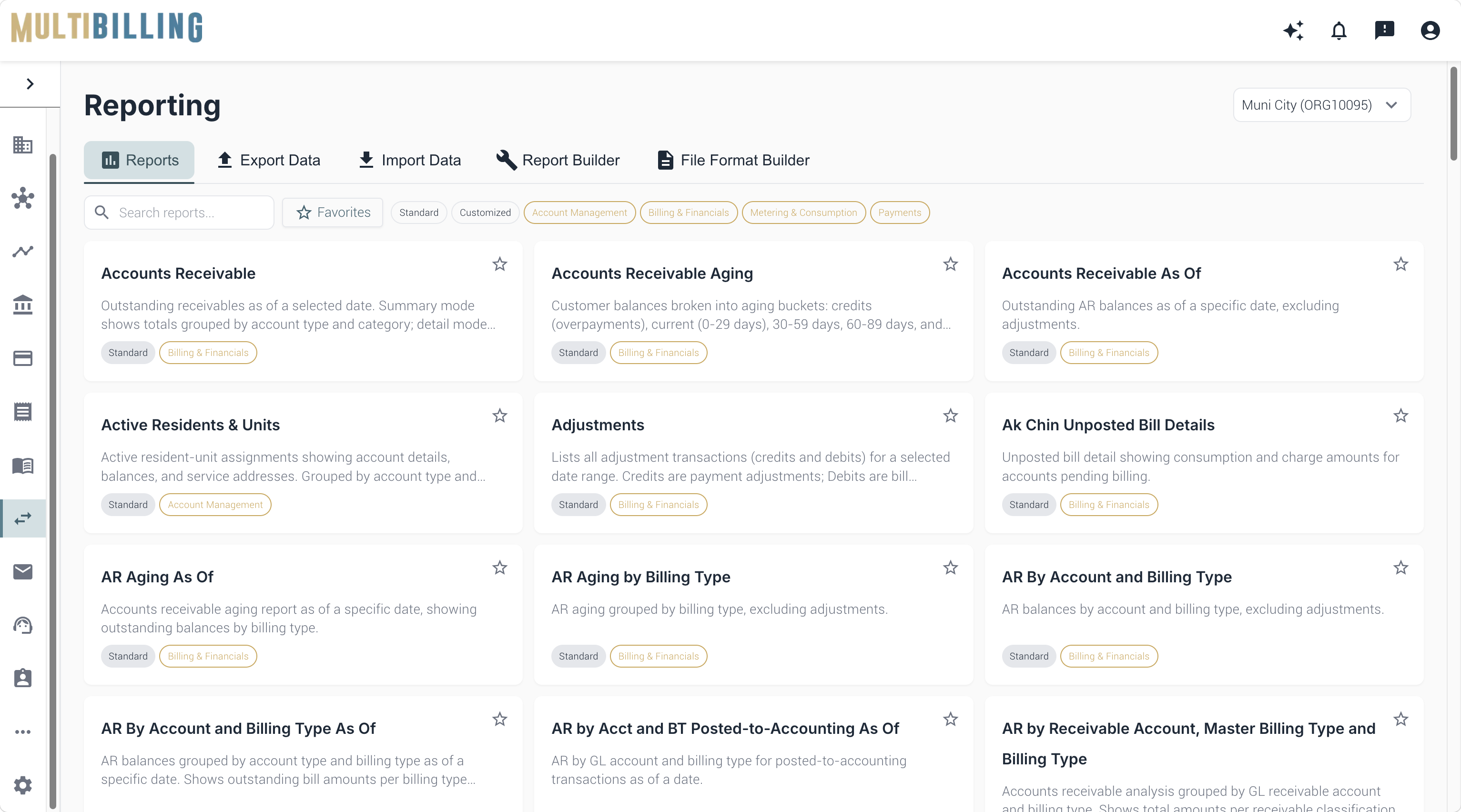
The Reports tab displays available reports for the selected organization. Use this area to search, filter, favorite, and open reports.
Use Export Data to download information from the system for review, sharing, accounting, analysis, or external reporting needs.
Use Import Data to upload information into the system, such as files or datasets needed for billing, payments, or account updates.
Report Builder allows users to create customized reports based on the fields, filters, and data views available to their organization.
File Format Builder is used to configure file layouts for imports, exports, or integrations that require a specific data format.
Use the search bar to quickly find a report by name, keyword, or topic.
Select Favorites to view reports you have marked with a star for faster access.
Use these category filters to narrow the report list by type, such as standard reports, customized reports, account management, billing and financials, metering and consumption, or payments.
Each report card includes the report name, a short description, and category labels to help you understand what the report is used for.
[Customer quote placeholder. 2 to 3 sentences from a billing director or operations leader at a municipal utility, MSO, or property management company. Focus on time saved per cycle or exception backlog reduction.]
Trusted by Utility & Property Operations Teams


Send us the three reports your analysts rebuild every week, and we will show you what the same insights look like inside MultiBilling. You will see them organized by domain, embedded in workflows, and augmented with anomaly detection. The day weekly reports become real-time KPIs is the day the analytics team gets the labor back.
Schedule a demo to explore the platform in detail and see how MultiBilling fits your operations and take the next step toward implementation and purchase.
.png?width=1448&height=1086&name=Futuristic%20Screenshot%20of%20MultiBilling%20(1).png)