Granular Access. Separation of Duties. Every Action Audited.

Most platforms grant access by broad role categories assigned at onboarding and call it security. MultiBilling rebuilds security as a granular permission model that scopes access by role and responsibility, enforces separation of duties at the transaction level, and audits every action across screens, workflows, reports, and APIs. Administrators stop over-permissioning users just to keep them productive. Auditors get the trail they need without manual reconstruction. Administration teams reclaim more than half of their monthly labor for higher-value work.

Search Bar

Three Ways MultiBilling Role-Based Access Changes Daily Work

Choose Here
  • Granular access by responsibility
  • Separation of duties, by design
  • Every action audited and traceable

Granular access by responsibility

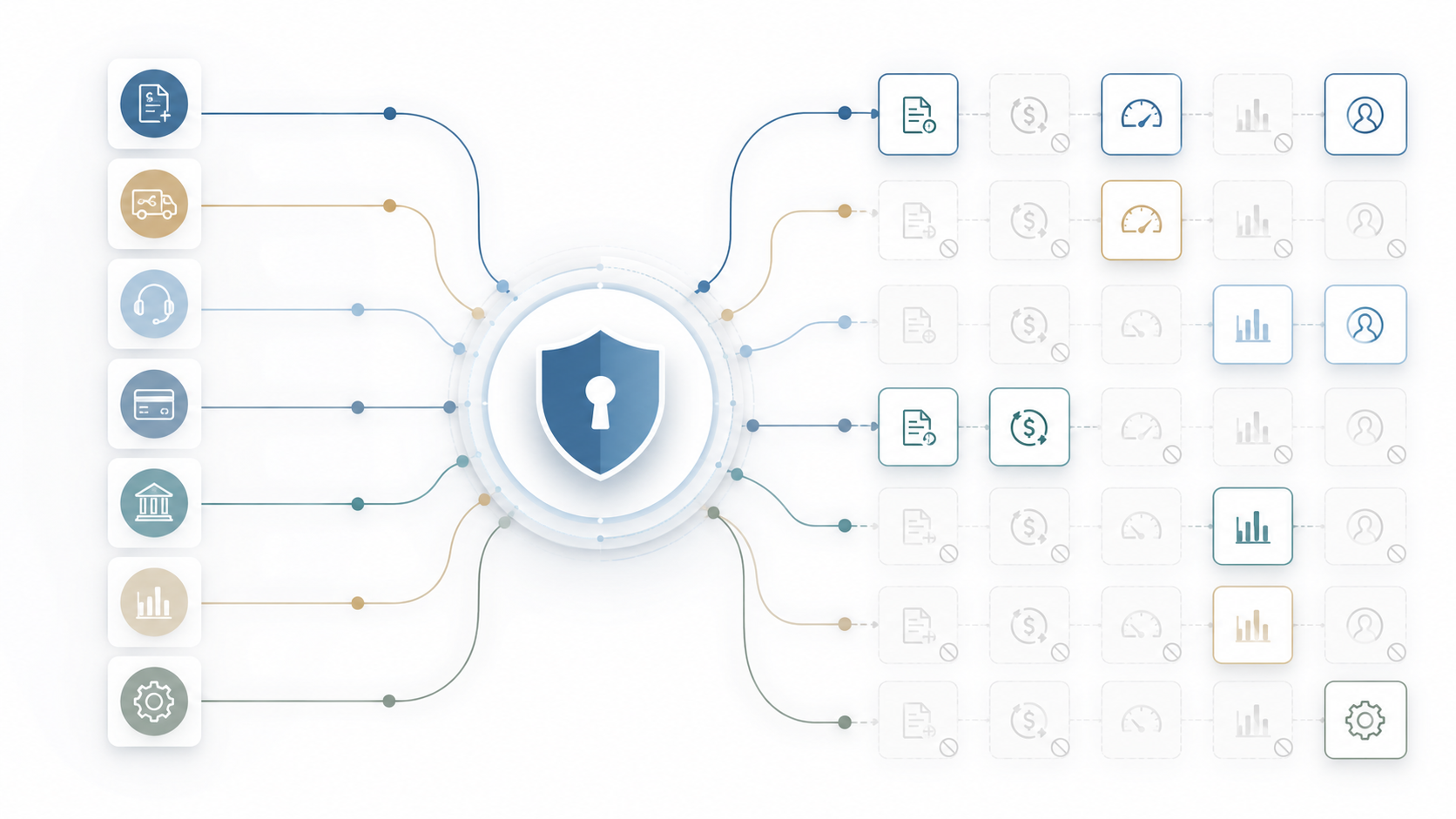
Permissions match the work each user actually performs instead of being assigned by broad role categories at onboarding. A billing specialist who needs to post but not approve refunds gets exactly that scope. A field technician who needs to update meter records but not view financial reports gets exactly that. Over-permissioning, which is the silent source of most accidental changes and avoidable data exposure, gets removed by default. Permissions can be aligned to specific job responsibilities across customer service, billing, payments, collections, field service, implementation, managed services, management, and administration.

Separation of duties, by design

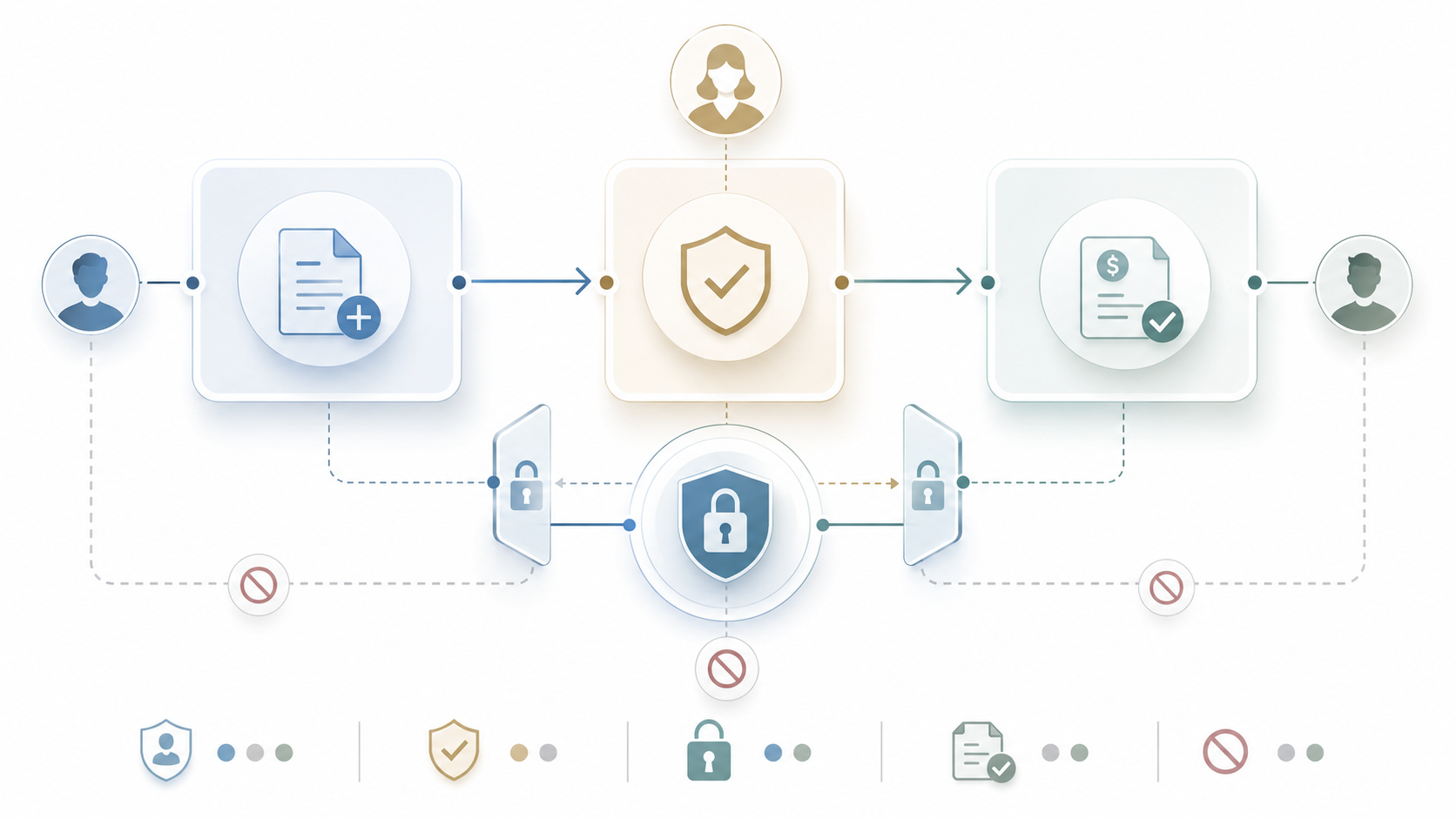
Sensitive actions like adjustments, postings, refunds, and approvals are scoped at the transaction level. The same person cannot enter, approve, and post a refund. The user who creates a credit cannot apply it without an approver. Bulk rate changes flow through role-based approval before they reach a bill. The wrong person cannot accidentally undo, approve, or post something they should not. Internal controls are enforced inside the workflow, not in a separate spreadsheet.

Home Dashboard-1

Every action audited and traceable

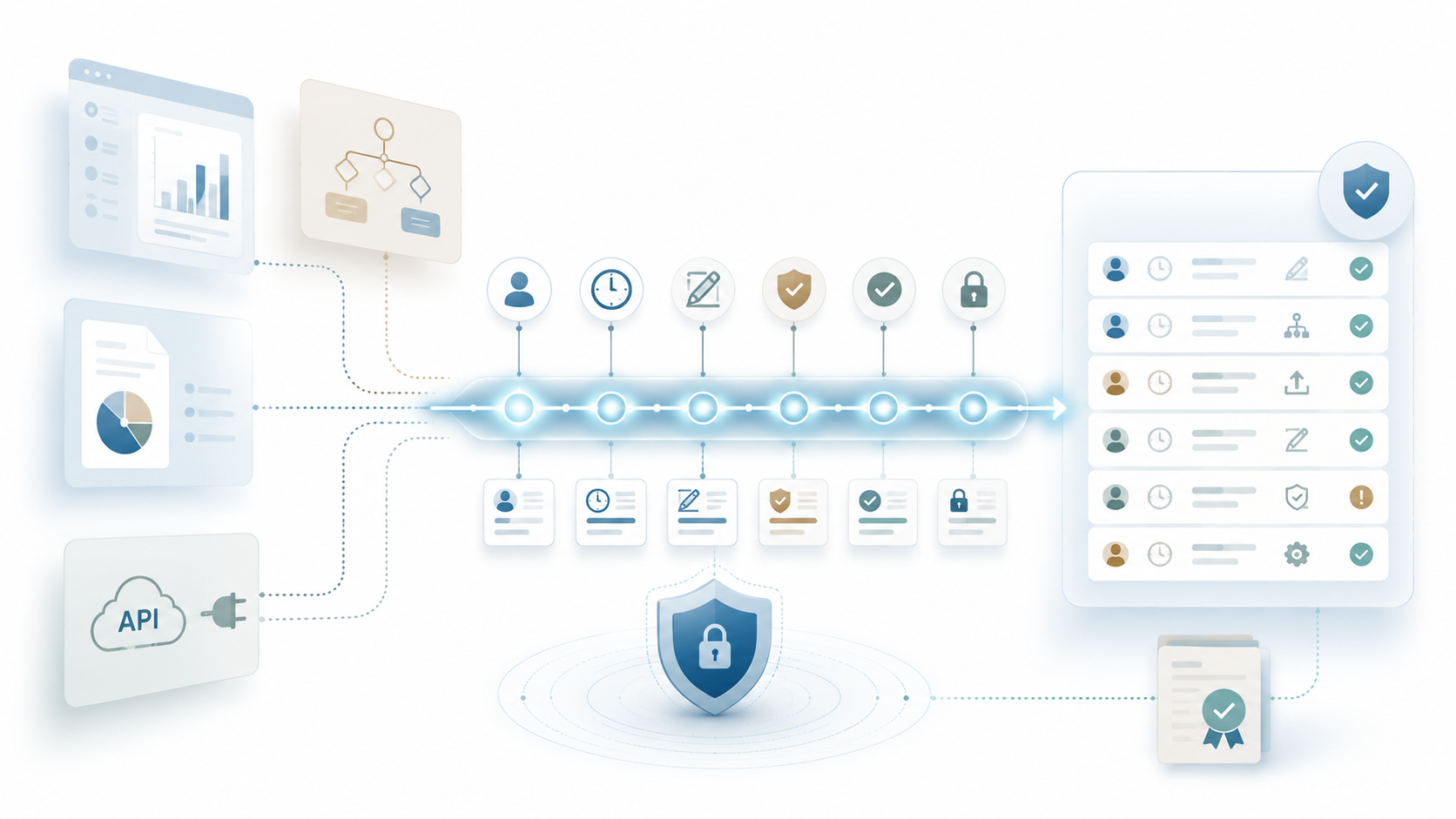
Activity across screens, workflows, reports, and APIs is logged with the user, time, and outcome attached. Audit prep, compliance review, and post-incident investigation start with the data already in place instead of reconstruction from logs. Permission-driven activity supports stronger accountability because organizations can answer who had access, who performed an action, when it occurred, and whether it followed approved authority levels. The audit trail spans every transactional decision, not just the high-profile ones.

AI Help

How It's Different

Step 01

Why MultiBilling Role-Based Access Stands Apart

Conventional access control gives a user one of four roles at onboarding: clerk, supervisor, manager, admin. Each role grants a sprawling permission set, because anything narrower would block the user from doing their job. The result is over-permissioned users, separation-of-duties gaps, and audit trails that require manual reconstruction. MultiBilling rebuilds security as a granular permission model scoped to workflow, transaction type, and entity. Before, security was a coarse role label that traded off productivity against risk. After, it is a precise permission matrix that gives each user exactly what they need and audits every action they take.

ChatGPT Image May 20, 2026, 01_12_24 PM-1

What Changes for Your Team

Step 02

Administrators stop over-permissioning users just to keep them productive. Onboarding new staff, offboarding departing staff, and adjusting roles across entities happens through configured templates instead of one-off changes. Auditors get the trail they need without IT having to reconstruct it from system logs. Managers grant elevated permissions where needed without giving away the keys. Compliance teams document separation of duties at the transaction level. Across administration, the time lost to permission grants, audit prep, and access reviews falls sharply, and staff reclaim more than half of the administration team’s monthly labor for higher-value work.

ChatGPT Image May 22, 2026, 03_45_39 PM

Built for the Access Governance Workflow

Step 03

Role-Based Access Control is the security layer that runs through every other function in MultiBilling. CIS records, billing transactions, payments, collections, reports, dashboards, APIs, and AI-enabled experiences each respect the user’s permissions. Entity-specific access lets multi-entity organizations grant users access to one entity, several, or the full portfolio. Onboarding, offboarding, and role changes flow through repeatable templates. The audit trail draws from every workflow. Access governance becomes a connected, observable, AI-ready discipline that scales as the organization grows.

ChatGPT Image May 22, 2026, 03_49_03 PM

What MultiBilling Role-Based Access Delivers

A precise permisssion and audit model that enforces security at the transaction level across every workflow.

Permission Precision

Permissions align to the actual work each user performs. The platform stops treating security as a four-role spectrum and starts treating it as a matrix of responsibility.

Granular security by role, responsibility, and workflow: Access aligns to the job a user actually does across customer service, billing, payments, collections, field service, implementation, managed services, management, and administration.

Workflow-level permission control: Administrators control who can view, create, edit, approve, post, reverse, export, or delete transactions within billing, adjustments, payments, late fees, deposits, service requests, incidents, collections, meter management, and reporting.

Report and analytics security: Access to reports, dashboards, analytics, KPIs, and exported data is controlled so users see only the financial, operational, and portfolio information appropriate for their role.

Multi-Entity and Delegation Control

Permissions follow users across entities and into delegated authority scenarios without becoming sprawling exceptions.

  • Entity-specific access management: Users in multi-entity organizations get access only to the municipalities, properties, regions, or operating units they support.
  • Separation of duties: Internal controls separate payment entry, adjustment approval, billing posting, refund processing, collections actions, user administration, and financial reporting.
  • Secure delegation of authority: Managers assign elevated permissions only where needed, supporting temporary, specialized, or supervisory access without granting unnecessary system-wide control.

Auditability and Risk Management

Every action gets traced, and the system becomes a record-of-truth for compliance reviews, internal audits, and post-incident investigations.

  • Consistent access across the platform: The unified security model spans screens, workflows, reports, dashboards, APIs, and AI experiences, closing the gap between what users can do and what they can see.
  • Auditability and accountability: Permission-driven activity records who had access, who acted, when, and whether the action matched approved authority.
  • Reduced risk from over-permissioning: Right-sized access cuts accidental changes, unauthorized data exposure, and improper approvals.

Check out the screen yourself!

You can interact with the dots below to learn more about the screen.

2026-05-21_14-23-29

Unfied Search and Discovery

Universal search reaches across every operational record, returning context that matters for resolution.

Customizable Dashboards

Pin the KPIs, alerts, reports, and workflow shortcuts most relevant to each role.

AI-Assisted Investigation

The AI Assistant lives on the Home Page as a navigation partner.


Built with billing operators, validated in production.

[Customer quote placeholder. 2 to 3 sentences from a billing director or operations leader at a municipal utility, MSO, or property management company. Focus on time saved per cycle or exception backlog reduction.]

review-future

Dr. Alice Bennett

AI Expert, MIT
Case Study

[Customer Name]

[X%]

[Outcome metric: reduction in billing exception backlog, hours reclaimed per month, days saved per cycle]

Ready to See MultiBilling in Action?

Send us a sample of the audit findings or access reviews you handled last year, and we will show you how the same questions get answered inside MultiBilling. You will see the permission matrix, the separation-of-duties enforcement, and the audit trail on real workflows. The day your auditor stops asking for screenshots is the day your administration team gets the labor back.

Schedule a demo to explore the platform in detail and see how MultiBilling fits your operations and take the next step toward implementation and purchase.

Futuristic Screenshot of MultiBilling (1)