


[Customer quote placeholder. 2 to 3 sentences from a billing director or operations leader at a municipal utility, MSO, or property management company. Focus on time saved per cycle or exception backlog reduction.]

Most platforms grant access by broad role categories assigned at onboarding and call it security. MultiBilling rebuilds security as a granular permission model that scopes access by role and responsibility, enforces separation of duties at the transaction level, and audits every action across screens, workflows, reports, and APIs. Administrators stop over-permissioning users just to keep them productive. Auditors get the trail they need without manual reconstruction. Administration teams reclaim more than half of their monthly labor for higher-value work.
.gif?width=1200&height=438&name=User%20Roles%20(kinda).gif)
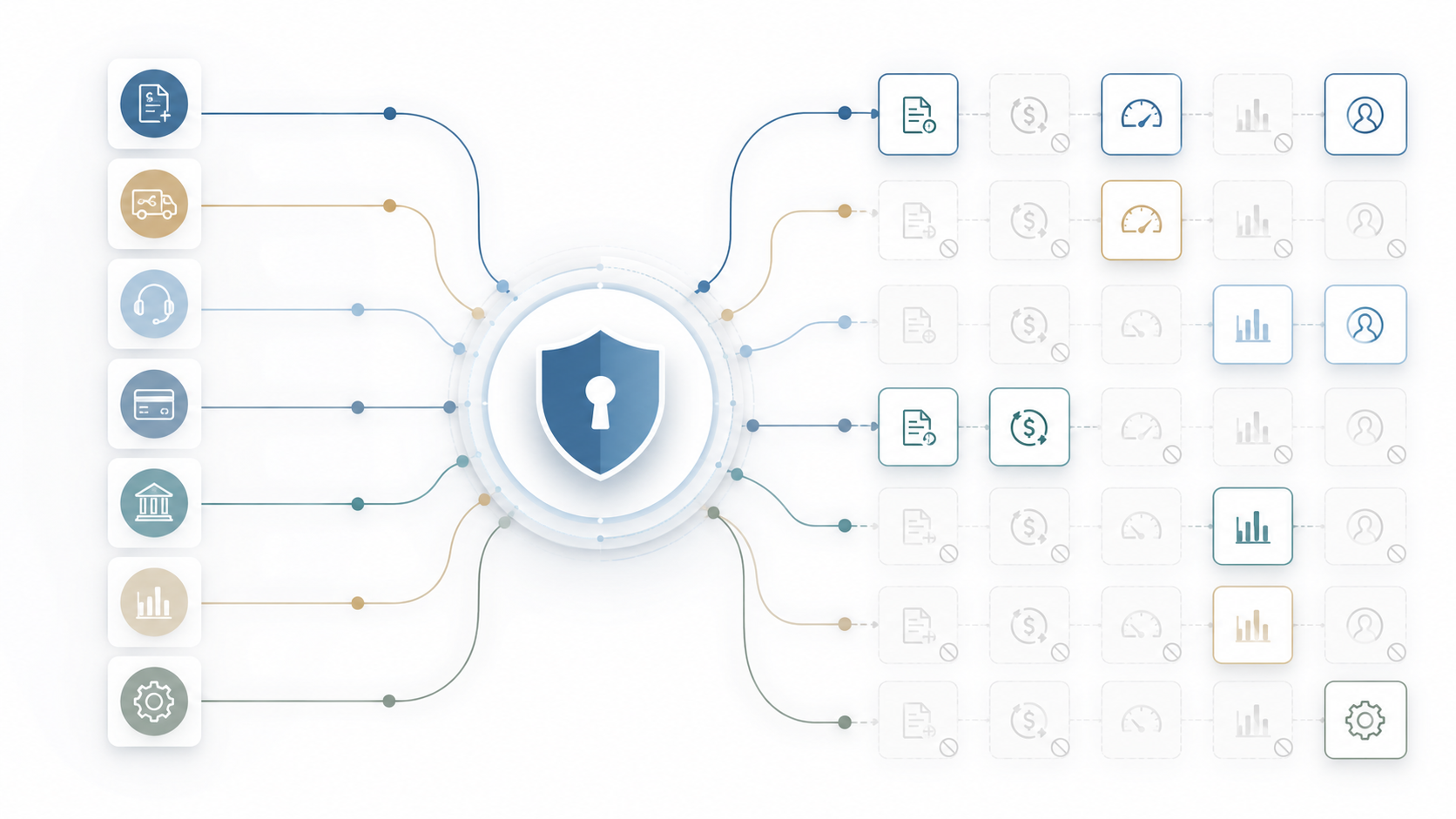
Permissions match the work each user actually performs instead of being assigned by broad role categories at onboarding. A billing specialist who needs to post but not approve refunds gets exactly that scope. A field technician who needs to update meter records but not view financial reports gets exactly that. Over-permissioning, which is the silent source of most accidental changes and avoidable data exposure, gets removed by default. Permissions can be aligned to specific job responsibilities across customer service, billing, payments, collections, field service, implementation, managed services, management, and administration.
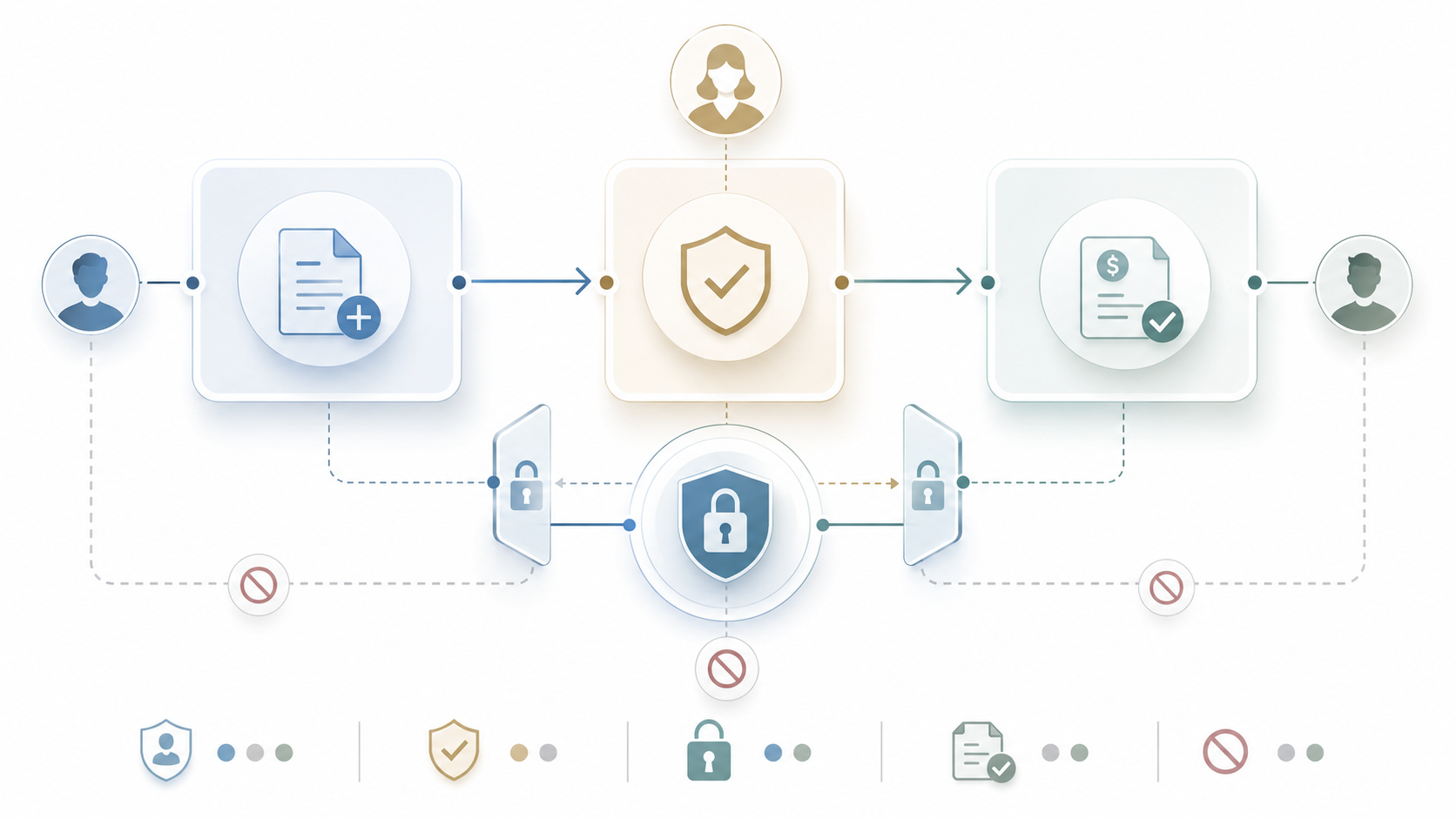
Sensitive actions like adjustments, postings, refunds, and approvals are scoped at the transaction level. The same person cannot enter, approve, and post a refund. The user who creates a credit cannot apply it without an approver. Bulk rate changes flow through role-based approval before they reach a bill. The wrong person cannot accidentally undo, approve, or post something they should not. Internal controls are enforced inside the workflow, not in a separate spreadsheet.
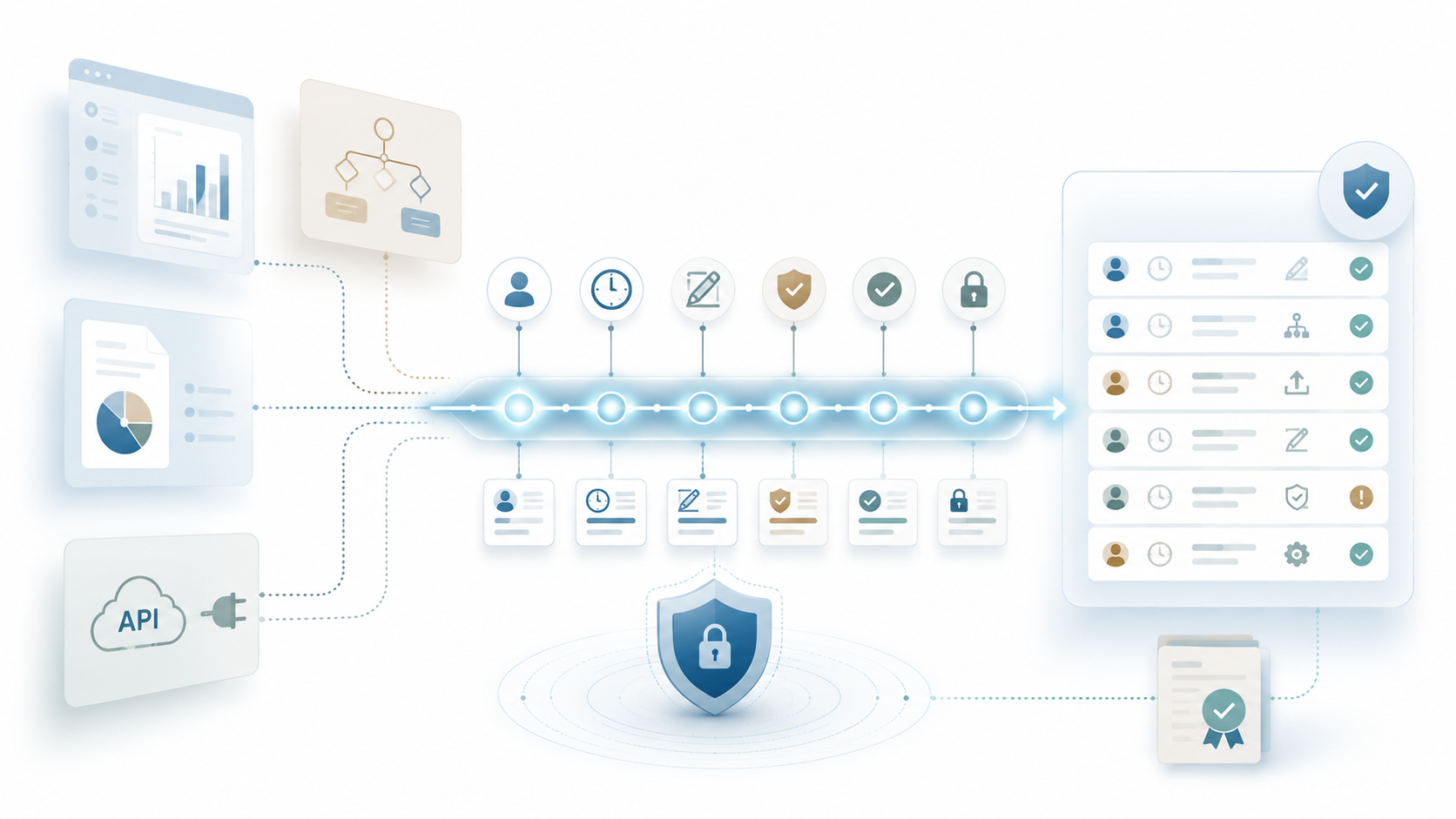
Activity across screens, workflows, reports, and APIs is logged with the user, time, and outcome attached. Audit prep, compliance review, and post-incident investigation start with the data already in place instead of reconstruction from logs. Permission-driven activity supports stronger accountability because organizations can answer who had access, who performed an action, when it occurred, and whether it followed approved authority levels. The audit trail spans every transactional decision, not just the high-profile ones.
[Customer quote placeholder. 2 to 3 sentences from a billing director or operations leader at a municipal utility, MSO, or property management company. Focus on time saved per cycle or exception backlog reduction.]
Trusted by Utility & Property Operations Teams


Send us a sample of the audit findings or access reviews you handled last year, and we will show you how the same questions get answered inside MultiBilling. You will see the permission matrix, the separation-of-duties enforcement, and the audit trail on real workflows. The day your auditor stops asking for screenshots is the day your administration team gets the labor back.
Schedule a demo to explore the platform in detail and see how MultiBilling fits your operations and take the next step toward implementation and purchase.
.png?width=1448&height=1086&name=Futuristic%20Screenshot%20of%20MultiBilling%20(1).png)