


[Customer quote placeholder. 2 to 3 sentences from a billing director or operations leader at a municipal utility, MSO, or property management company. Focus on time saved per cycle or exception backlog reduction.]

Most platforms force every customer to learn the software’s vocabulary. MultiBilling rebuilds terminology as a configuration layer that adapts to your operating language, aligns labels across every screen and report, and personalizes AI Assistant guidance in the words your team already uses. New hires stop translating unfamiliar software terms into operational reality. Customer-facing notices match the language of the business. Training and support teams reclaim more than half of their monthly labor for higher-value work.
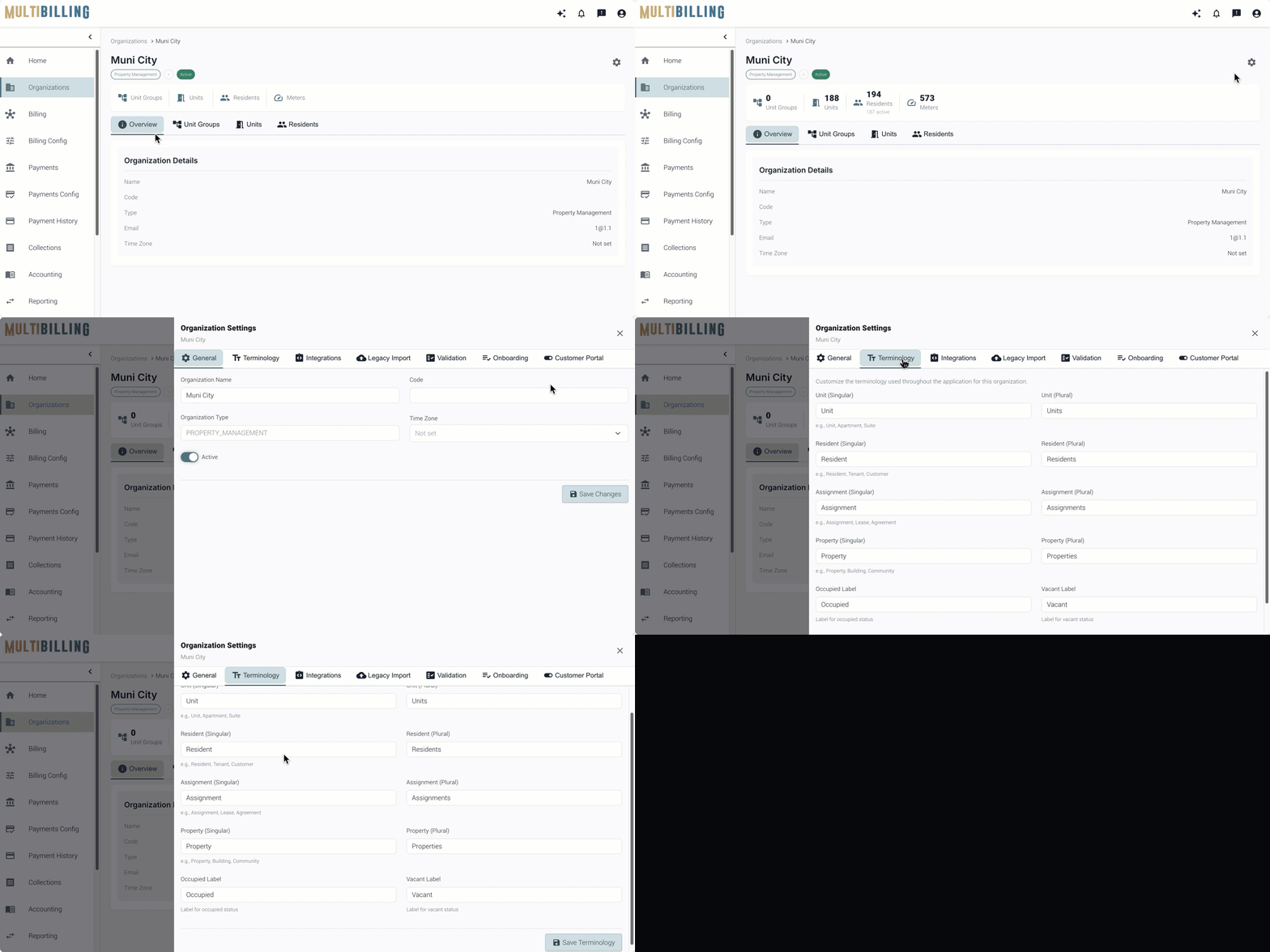
Field names, labels, and screen terminology configure to match the words your team already uses. A property manager’s “tenant” stays “tenant” instead of being called “customer” everywhere. A municipal utility’s “account holder” stays “account holder.” An association’s “owner” stays “owner.” The constant translation between business vocabulary and platform vocabulary disappears. Users see a system that speaks the way they speak, from the first login through every screen they open thereafter.
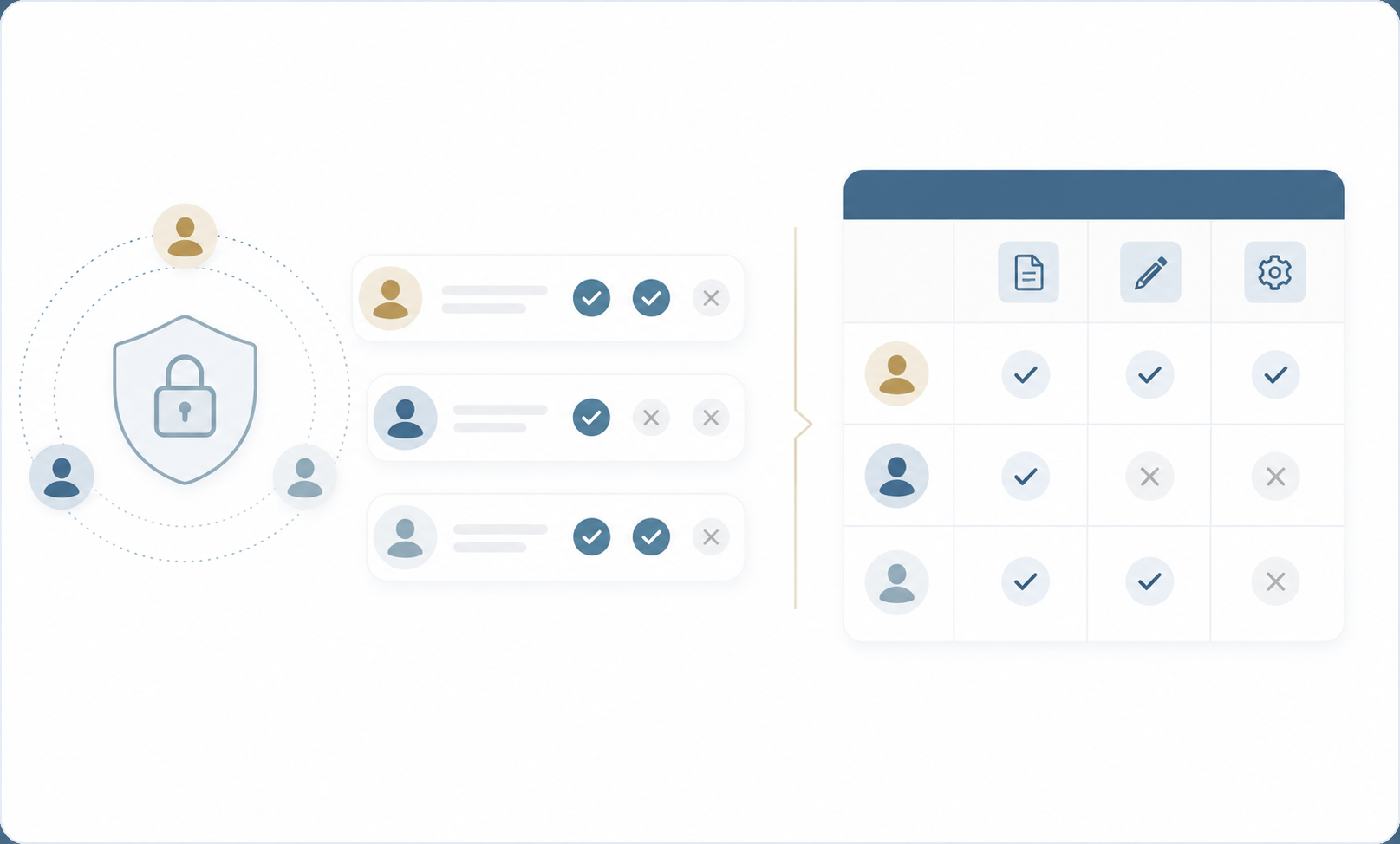
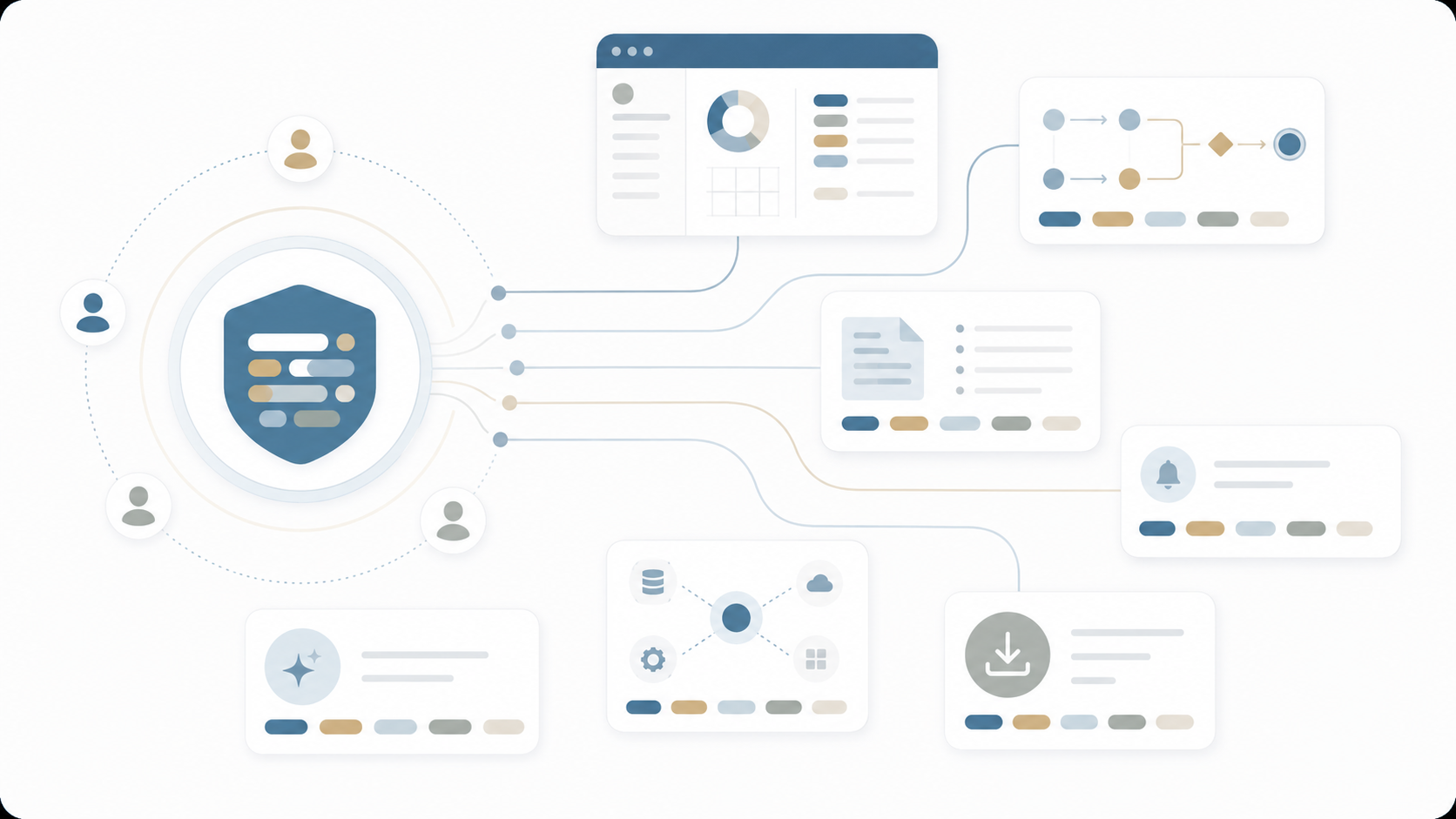
Once configured, terminology flows through every screen, workflow, report, and notification. The language users see in training matches the language they see in production. The labels users see on dashboards match the labels users see on customer notices. Exports, integrations, and AI Assistant responses all use the same vocabulary. Inconsistency, which is the silent source of training confusion and customer communication mistakes, gets engineered out.
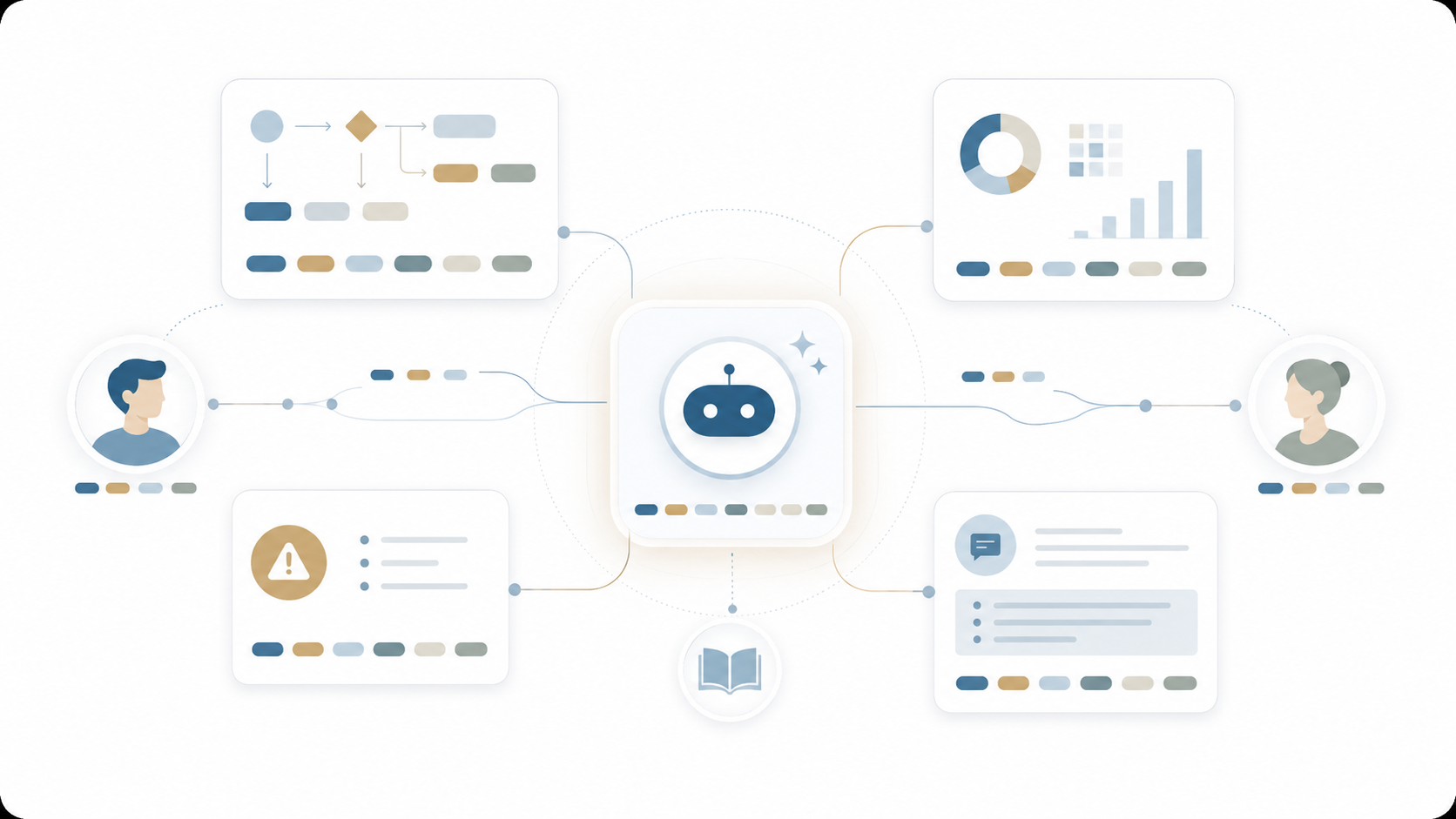
The MultiBilling AI Assistant explains workflows, KPIs, and exceptions using the same vocabulary your team uses. Contextual help feels native rather than translated from a generic vendor playbook. A new biller asking “how do I post this resident’s adjustment” gets a response that respects the same words. A manager asking about a KPI gets the indicator explained in the operating language of the business. Adoption accelerates because the platform stops sounding like software and starts sounding like the organization that owns it.
[Customer quote placeholder. 2 to 3 sentences from a billing director or operations leader at a municipal utility, MSO, or property management company. Focus on time saved per cycle or exception backlog reduction.]
Trusted by Utility & Property Operations Teams


Send us your internal glossary, your customer notices, and your training materials. We will show you the platform configured to your operating language across every screen, every report, and every AI response. The day the system starts speaking your vocabulary is the day onboarding gets faster.
Schedule a demo to explore the platform in detail and see how MultiBilling fits your operations and take the next step toward implementation and purchase.
.png?width=1448&height=1086&name=Futuristic%20Screenshot%20of%20MultiBilling%20(1).png)