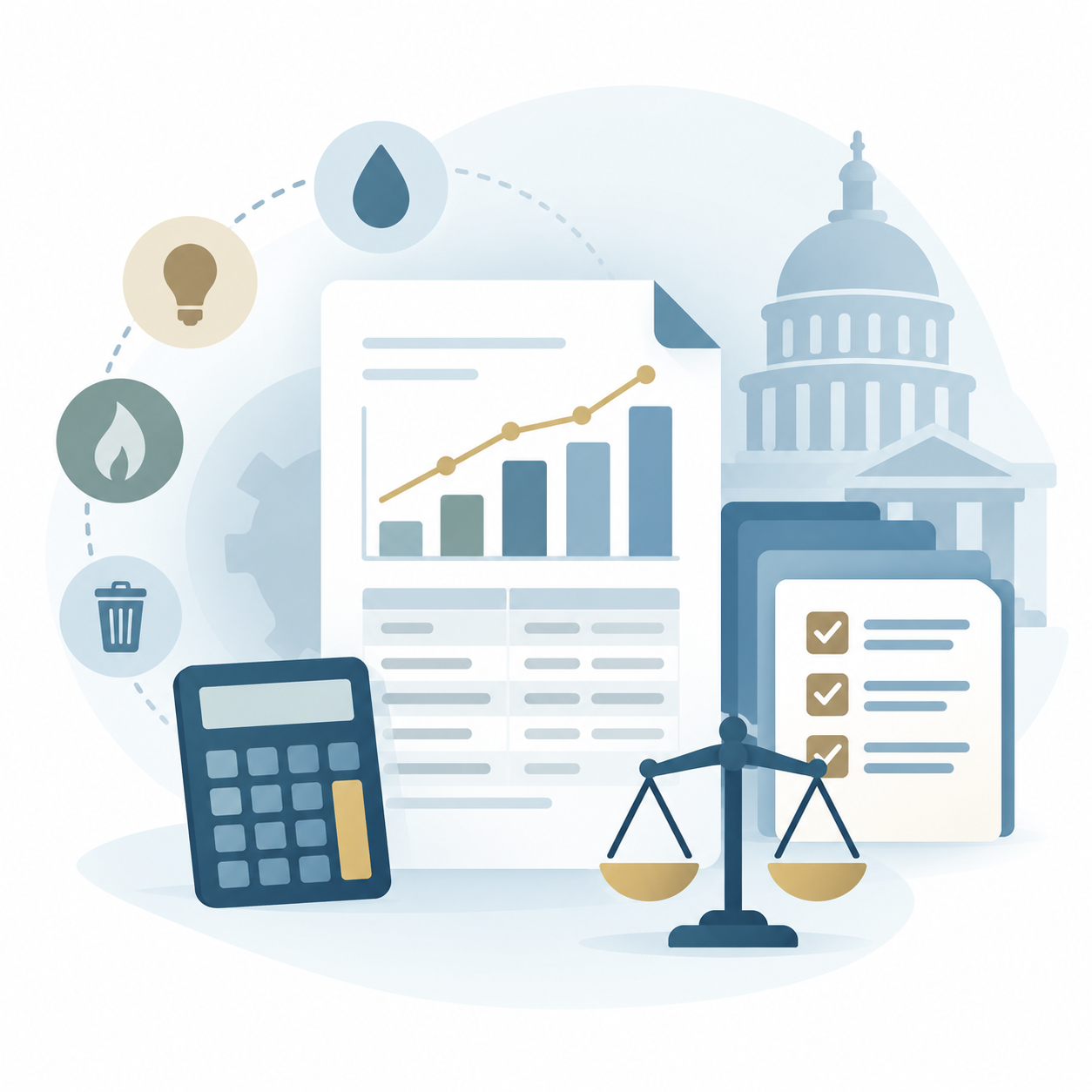
Rate case preparation is one of the most labor-intensive workflows in a regulated utility. MultiBilling supports cost-of-service analysis, revenue requirement modeling, and tariff sheet management directly inside the platform, with audit-ready data exports prepared for state Public Utility Commission filings. Configurable rate structures handle every tariff a regulator might approve, including tiered, time-of-use, demand, and seasonal rates, while built-in audit logs preserve the full change history every commission expects when reviewing a filing.
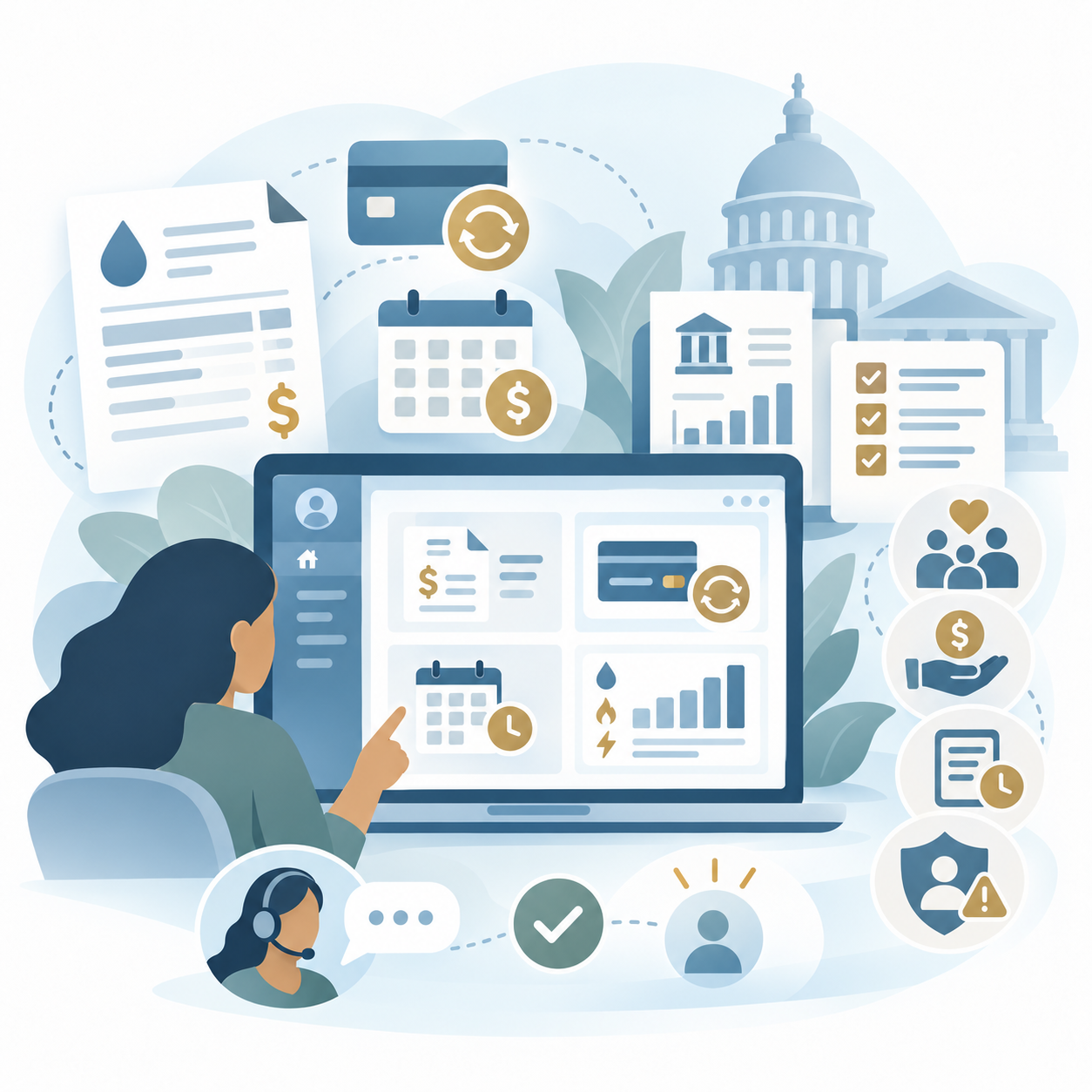
A modern self-service portal lets customers view bills, set up autopay, manage payment plans, and review consumption history online. Behind the scenes, MultiBilling supports affordability program enrollment, lifeline rate qualification, deferred payment arrangements, and vulnerable customer flagging that regulators increasingly require utilities to track and report. Faster issue resolution, fewer disputes, and stronger satisfaction scores show up in the next service quality filing instead of becoming the next regulatory headache.
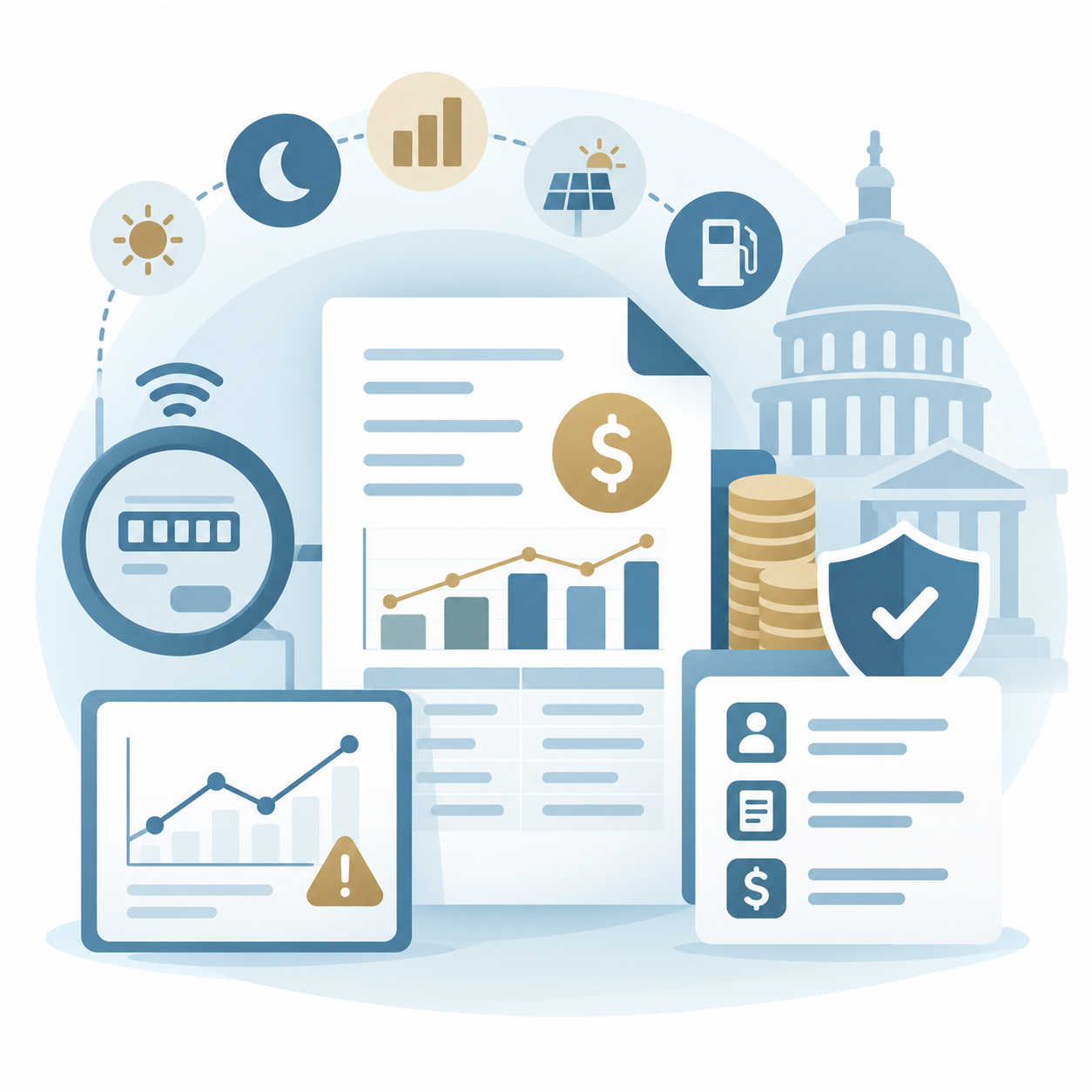
Accurate billing across complex rate structures protects the return investors and regulators both expect. MultiBilling handles time-of-use rates, demand charges, net metering credits, fuel adjustment clauses, and rider charges with the precision needed to avoid revenue leakage. Exception detection surfaces unusual usage patterns, billing anomalies, and unrecovered charges before they compound into write-offs, while collections workflows respect the disconnection rules and customer protections that vary by state and customer class.
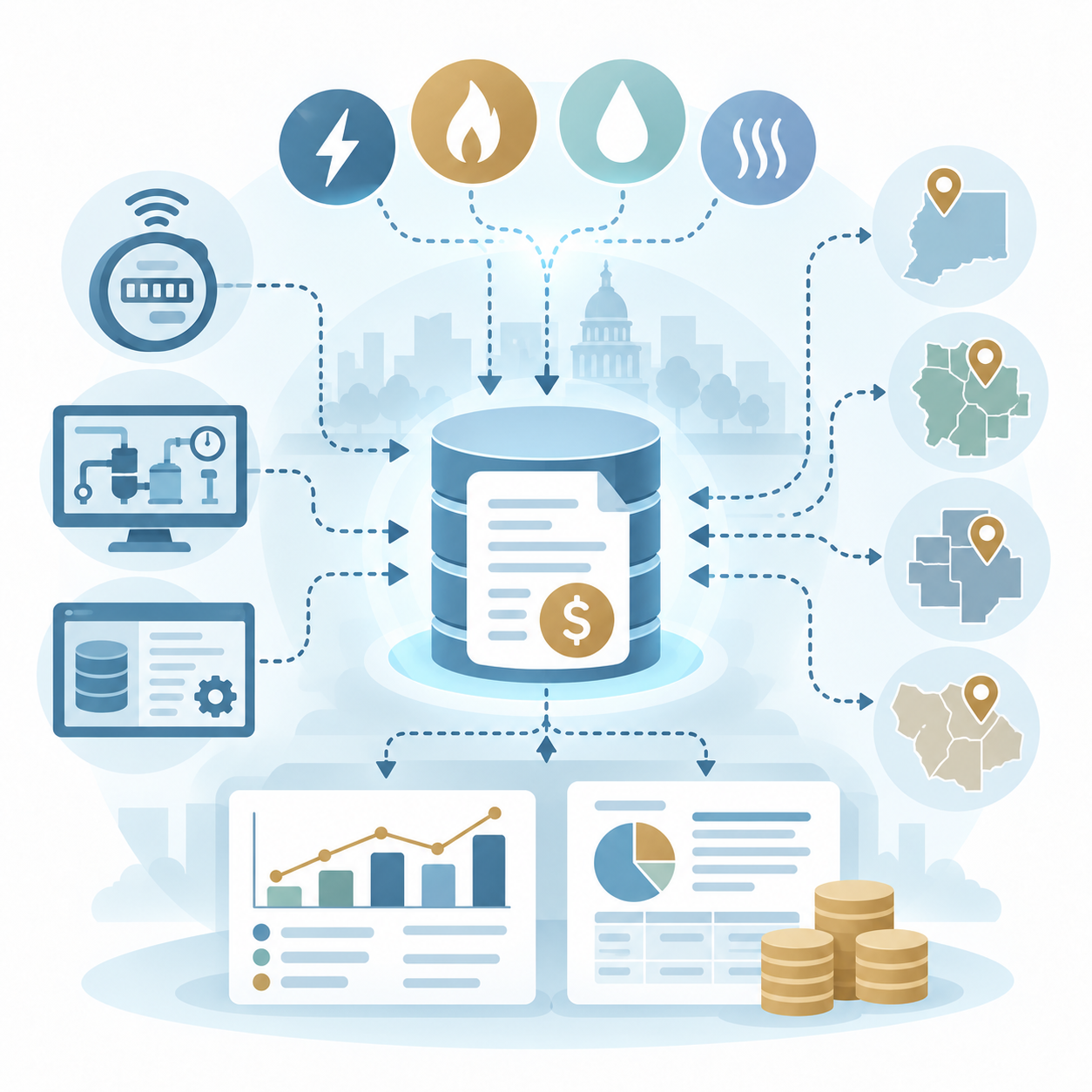
Investor-owned utilities often operate across multiple service territories, regulatory jurisdictions, and utility types under one corporate structure. MultiBilling’s multi-entity architecture lets a single operating company manage electric, gas, water, and steam services with territory-specific rules and consolidated financial reporting. Integration with AMI and AMR meter networks, SCADA systems, and corporate ERP environments keeps operational data flowing into the billing engine without the manual reconciliation that drains staff time and creates audit exposure.
.png?width=1448&height=1086&name=Futuristic%20Screenshot%20of%20MultiBilling%20(1).png)


